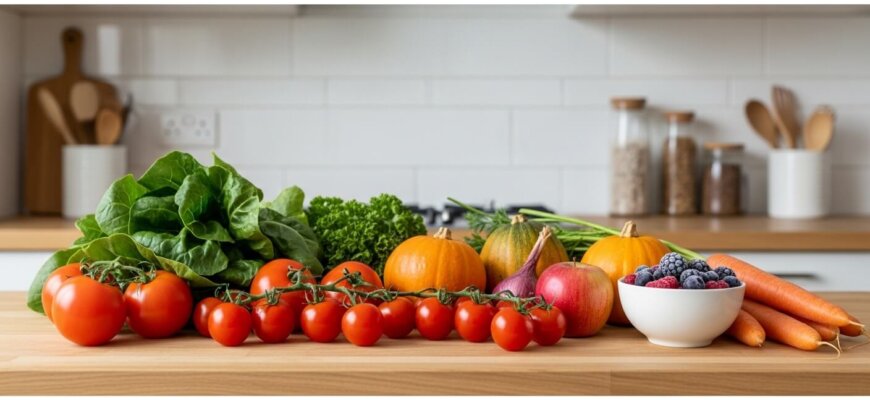
Your body’s nutritional needs shift throughout the year, and so does the quality of foods available in your area. Seasonal eating nutrition aligns your meals with peak harvest times—not as a strict rule, but as a practical way to eat fresher food that often tastes better and costs less. This article explains how timing affects food quality, how to adapt your meals across seasons, and when seasonal eating requires extra planning.
- Why seasonal produce delivers more nutrition
- How to adjust your meals for each season
- When seasonal eating needs careful planning
- FAQ
- Does seasonal eating actually improve nutritional value?
- What types of seasonal produce are available in different climates?
- How do I start eating with the seasons without complicated meal planning?
- Conclusion
Why seasonal produce delivers more nutrition
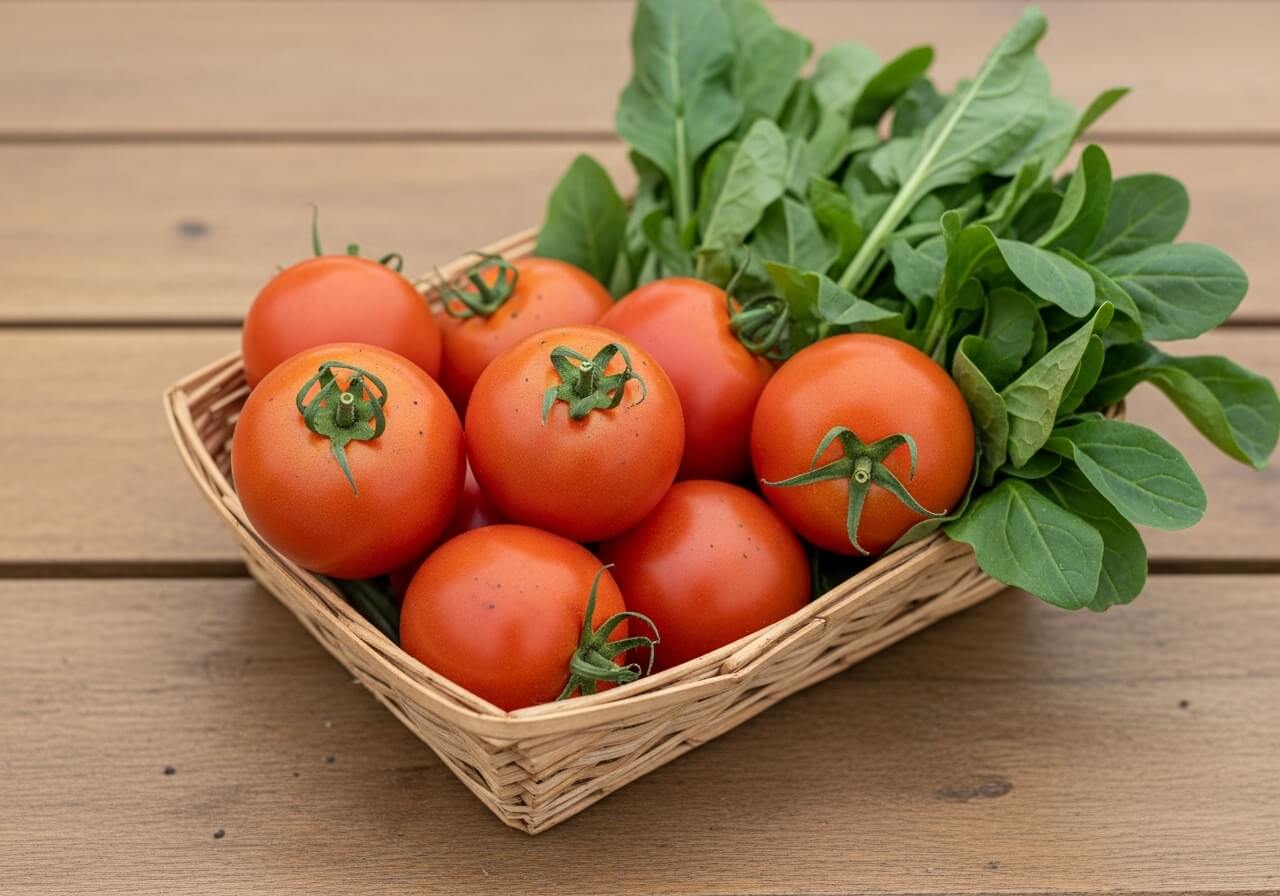
Produce picked at peak ripeness and eaten soon after harvest can retain more vitamins and minerals than food that travels long distances or sits in storage for weeks. When fruit or vegetables are harvested early to survive shipping, they have less time to develop full nutrient density. Seasonal produce that travels a shorter distance from farm to table may preserve more nutrients compared to items that spend extended time in transit or cold storage.
That said, nutrient content depends on more than just timing. Storage conditions, ripeness at harvest, the specific variety grown, and your cooking method all affect what nutrients you actually get. A winter carrot stored properly can be nutritionally dense, and frozen berries picked at peak ripeness often retain more vitamins than fresh berries sitting in a grocery store for days. Seasonal does not automatically mean more nutritious in every situation.
How to adjust your meals for each season
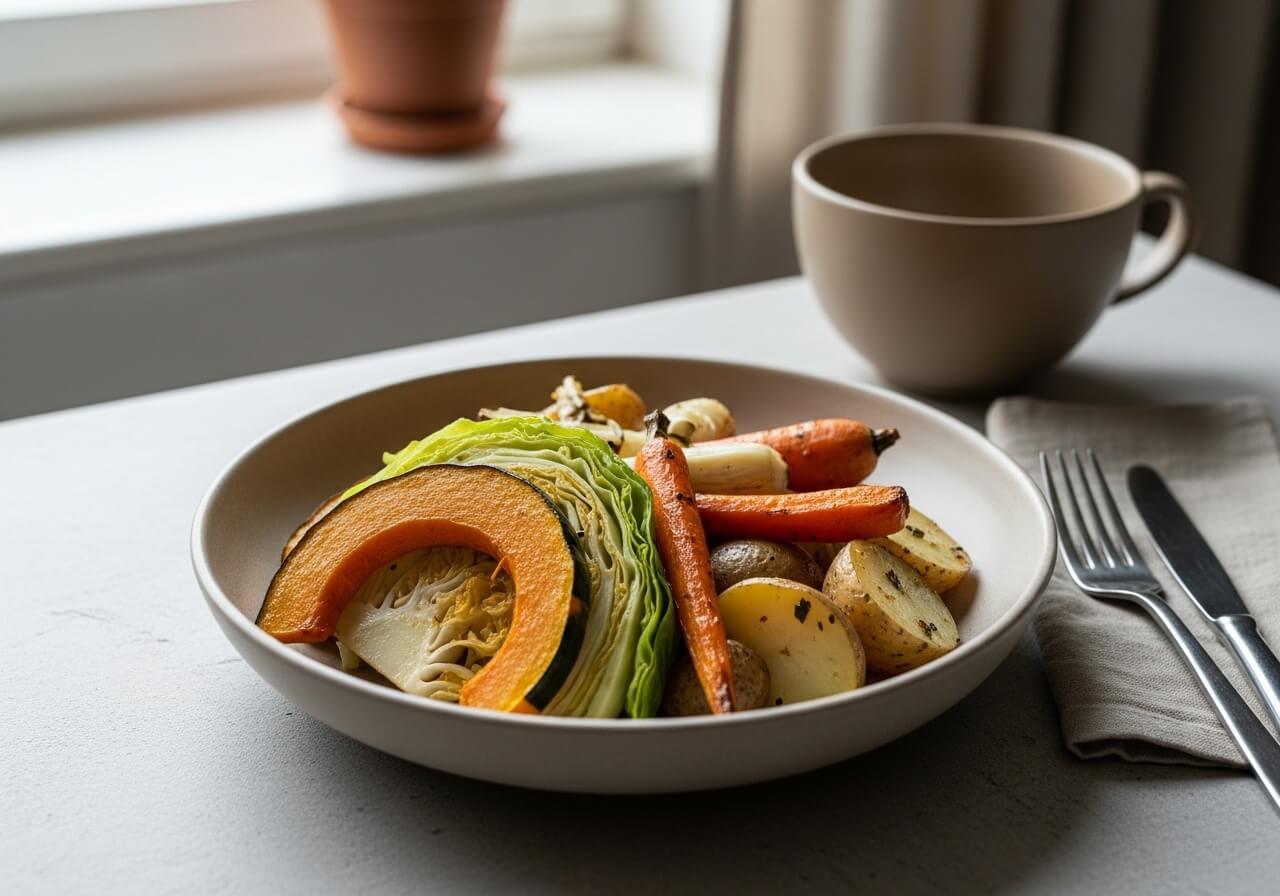
Start by building a simple seasonal produce guide around what grows locally during each quarter. Visit a farmers’ market, check your region’s harvest calendar, or ask a grocery store produce manager which items are currently abundant. Use those items as the foundation for your meals instead of searching for specific recipes first.
In practice, summer might center on leafy greens, tomatoes, berries, and peppers for salads and fresh sides. Fall brings squash, root vegetables, and apples that work well in soups and roasted dishes. Winter calls for storage crops like cabbage, carrots, potatoes, and beets. Spring introduces peas, asparagus, and early greens that complement lighter meals.
Rather than overhauling your entire diet, make one or two produce swaps per week. If you usually buy salad greens in January, try a winter greens-based soup instead, or roast heartier leaves with olive oil. If berries are expensive or flavorless in February, switch to citrus or use frozen berries. This approach keeps your meals balanced while reducing waste and cost.
When seasonal eating needs careful planning
Winter and early spring present the biggest challenge in most climates. Fresh local produce becomes scarce, and relying exclusively on storage crops can leave gaps in certain vitamins or minerals. If you live somewhere with a very short growing season or limited agricultural diversity, eating with the seasons alone will not guarantee year-round nutritional variety.
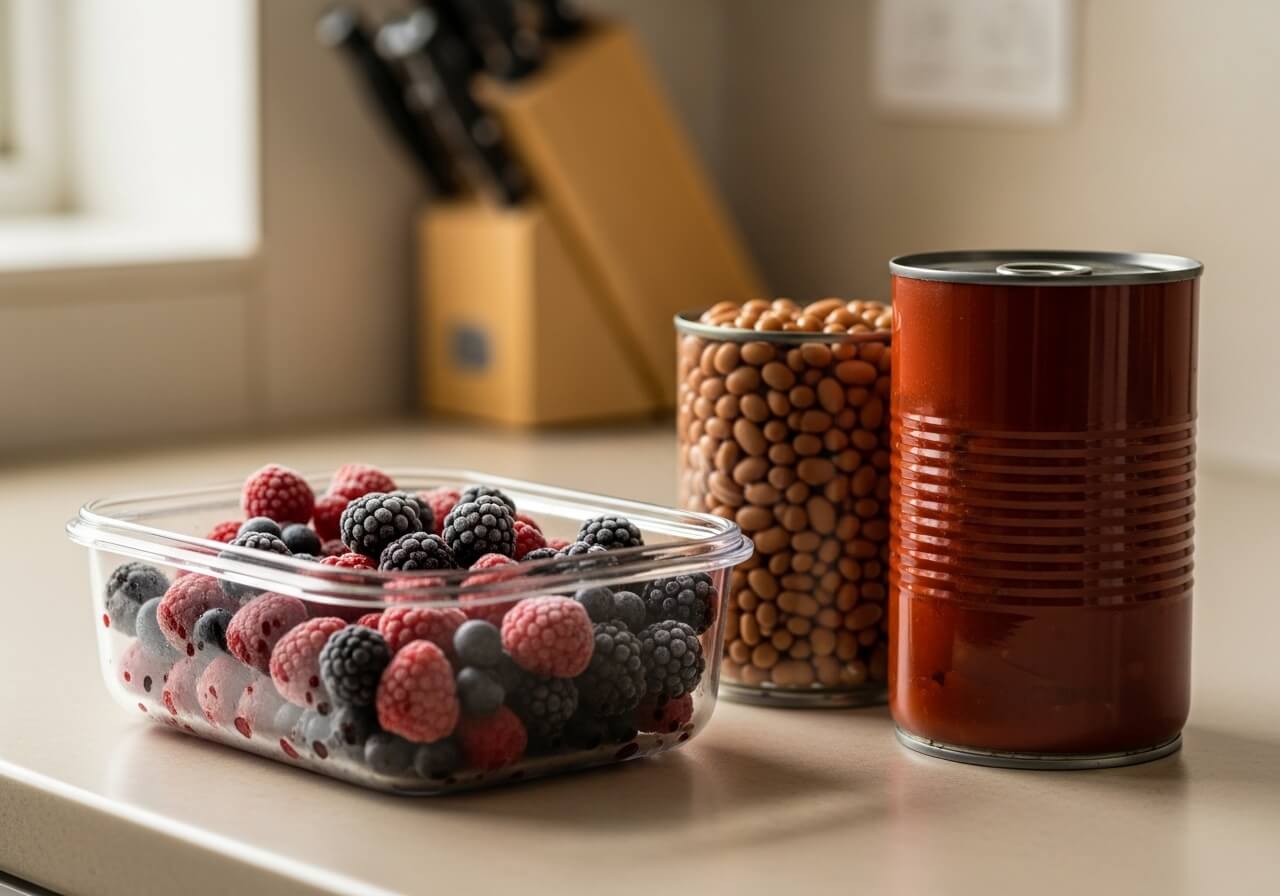
This is where frozen and canned produce become essential. Frozen vegetables and fruits are often picked at peak ripeness and frozen immediately, preserving nutrients effectively. Canned beans, tomatoes, and other vegetables are practical ways to maintain balanced seasonal nutrition without depending entirely on fresh local availability. These options help you meet daily fruit and vegetable targets even when fresh seasonal produce is limited or expensive.
People with specific health needs should not abandon those needs in pursuit of farm to table eating. If you have diabetes, kidney disease, a food allergy, or higher nutritional requirements, seasonal swaps should still fit within your medical guidelines. A dietitian can help you balance seasonal eating with any individual health considerations.
FAQ
Does seasonal eating actually improve nutritional value?
Seasonal produce can be fresher and may retain more nutrients when shipped a shorter distance and eaten closer to harvest. However, freshness is not automatic—nutrient content also depends on storage, handling, ripeness at harvest, variety, and how you cook it. The real benefit is usually the combination of better flavor, lower cost, and easier meal planning, rather than a guaranteed nutrition boost in every case.
What types of seasonal produce are available in different climates?
Availability varies widely by region and latitude. A farmer in California grows year-round, while someone in Minnesota has a much shorter window for fresh local produce. Instead of following a universal guide, check your local farmers’ market, ask produce staff what is currently in season, or search for a harvest calendar specific to your zip code or region. This takes a few minutes and gives you accurate information for your area.
How do I start eating with the seasons without complicated meal planning?
Start by buying one seasonal item you do not normally use. Try it roasted, steamed, or in a simple soup. The next week, add another. You do not need a detailed meal plan—simply noticing what is abundant and inexpensive at your grocery store or market gives you a natural guide. Most people fall into seasonal eating habits naturally once they pay attention to what is plentiful each month.
Conclusion
Seasonal eating nutrition is a practical approach to fresher food and simpler shopping, not a rigid dietary rule. By eating with local harvests and using frozen or canned produce to fill winter gaps, you support both nutrition and sustainability. Start small by swapping one produce item this week, and let seasonal availability guide your meals naturally.