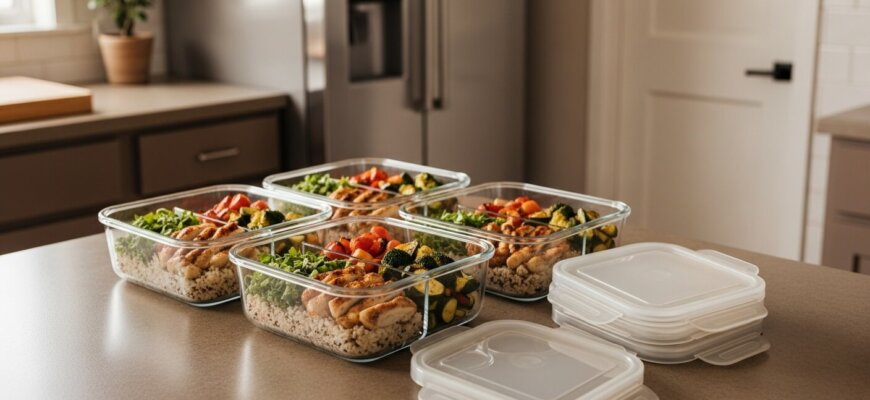
A sustainable meal prep system takes the guesswork out of healthy eating while saving you time and money. This approach focuses on realistic strategies that support weight loss and nutrition goals—methods you can actually repeat week after week. You’ll learn how to set up a practical routine, avoid common mistakes, and build habits that fit your schedule and kitchen.
- Why meal prep works for weight loss and nutrition goals
- How portion control becomes automatic
- Why consistent nutrition timing matters
- How to set up your first sustainable meal prep system
- Choose your batch cooking day and prep schedule
- Select appropriate meal prep containers for your needs
- Where most meal prep attempts go wrong
- Making meals too complicated or time-consuming
- Choosing foods that don’t store well or taste good reheated
- FAQ
- How many meals should I prepare each week for weight loss?
- What containers work best for keeping food fresh all week?
- Can I meal prep successfully if I travel frequently for work?
- Conclusion
Why meal prep works for weight loss and nutrition goals
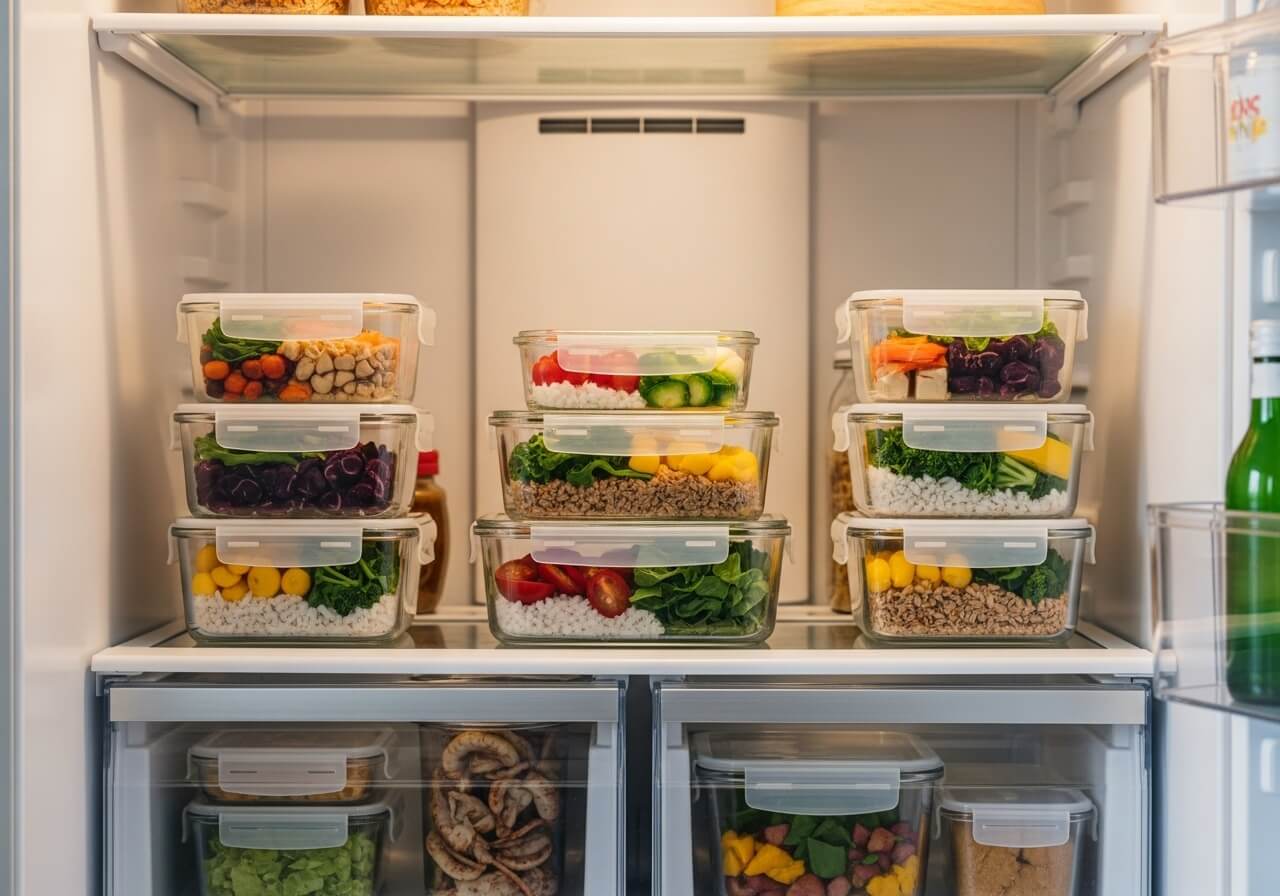
Meal prep removes decision fatigue from eating. When healthy meals are already portioned and visible in your fridge, you’re more likely to eat them instead of defaulting to takeout or convenience foods. Research from Harvard T.H. Chan School of Public Health shows that meal prep supports weight-loss efforts by making it easier to plan meals, batch-cook staples, and portion food into individual containers for later use.
How portion control becomes automatic
When you divide cooked food into containers during prep, you set your portion sizes once. You don’t have to eyeball amounts or make choices when you’re hungry and tired. Pre-portioning meals into containers and keeping them visible can help you use prepared food during the week instead of forgetting it or letting it spoil. The portions are already decided, which removes a layer of willpower from the eating process.
Why consistent nutrition timing matters
Having meals ready eliminates the gap between hunger and eating. When that gap closes, you’re less likely to grab whatever’s fastest or most calorie-dense. Prepared meals may also help maintain more stable energy throughout the day, which can reduce cravings and the temptation to overeat later. The consistency isn’t about perfection—it’s about removing friction from the healthier choice.
How to set up your first sustainable meal prep system
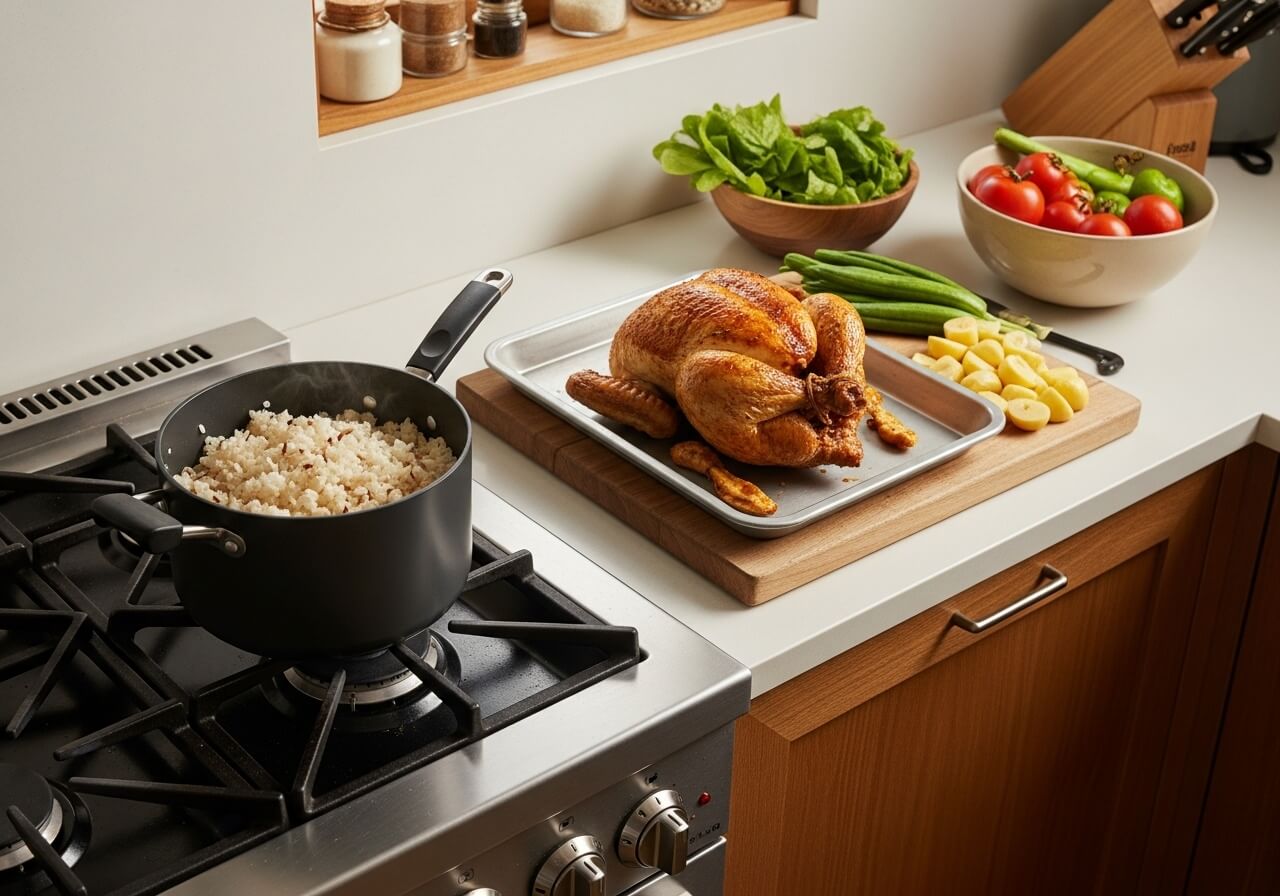
Starting doesn’t require overhauling your entire week. A practical meal-prep routine usually includes choosing a specific prep day, grocery shopping ahead of time, cooking the longest-cooking foods first, and making extra portions for later meals or freezing.
Choose your batch cooking day and prep schedule
Pick one day when you have 90 minutes to 2 hours free—typically Sunday or the day before your busiest stretch. Plan to cook proteins and grains first because they take longest. While those cook, prep vegetables or set up sauce components. Aim to have 3 or 4 ready-to-eat or easily assembled meals by the end of the session.
You don’t have to cook everything for seven days at once. Batch-cooking and “micro-prepping” smaller tasks across the week can make the routine more realistic for people with limited time. A busy worker might cook proteins and grains on Sunday, then add fresh vegetables or sauces midweek to keep meals interesting and prevent flavor boredom.
Select appropriate meal prep containers for your needs
Use glass containers with secure lids—they’re durable, don’t stain or hold odors, and work in the microwave. Size them to match your typical meal portion, usually 32 to 40 ounces for a lunch with protein, grain, and vegetables. Having matching containers makes stacking easier and lets you see what’s inside at a glance.
Keep containers at eye level in your fridge. Food that’s visible gets eaten; food tucked behind other items often spoils. If you travel frequently, invest in smaller 2-cup containers so you can pack meals without taking up excessive space.
Where most meal prep attempts go wrong
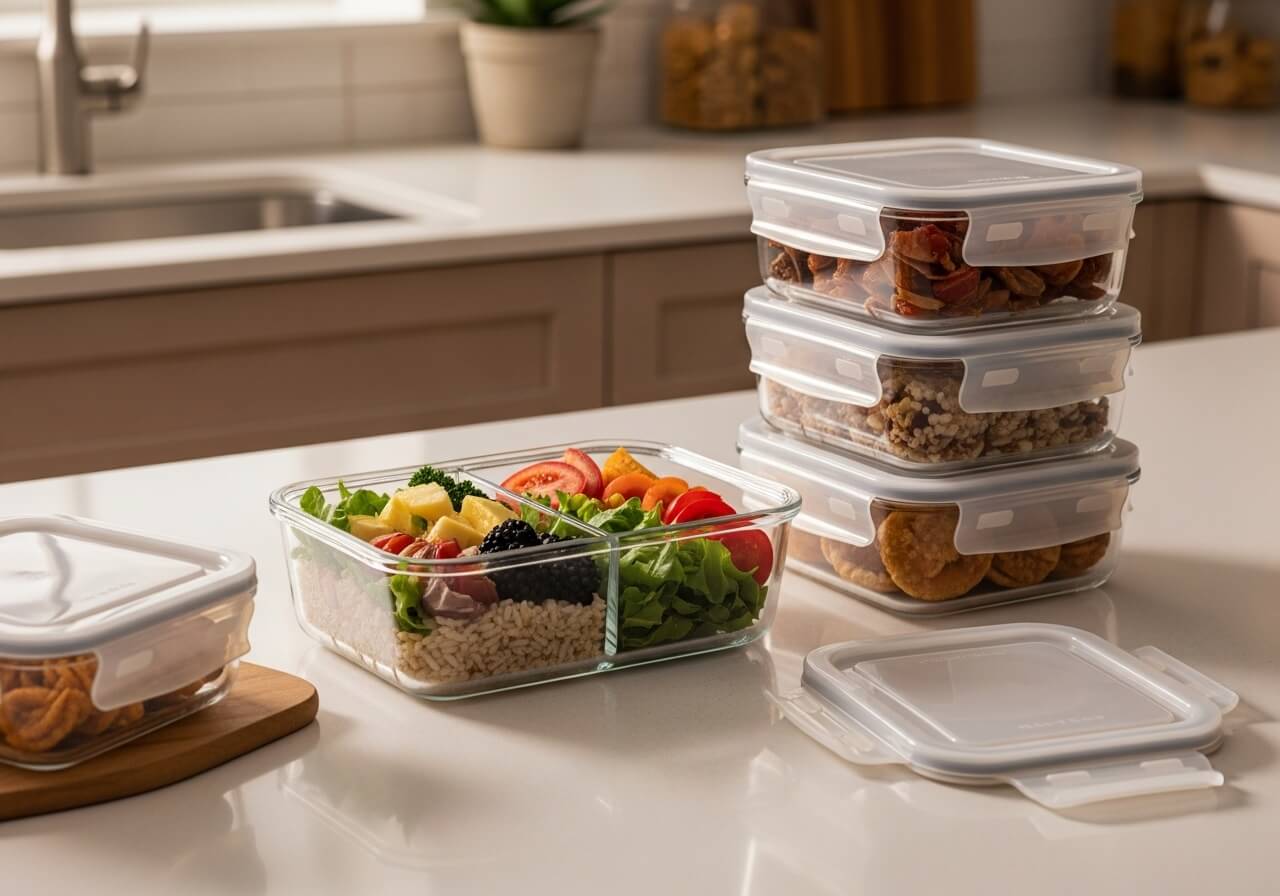
Sustainability fails not because the idea is flawed, but because people add too much complexity too soon. Understanding common pitfalls helps you avoid them before they derail your routine.
Making meals too complicated or time-consuming
The most common mistake is choosing recipes with many steps or ingredients. A seven-ingredient stir-fry with homemade sauce takes longer than a roasted chicken breast, seasoned rice, and steamed broccoli—yet both support your nutrition goals equally well. Start with simple proteins like grilled chicken, ground turkey, or baked fish, one grain such as rice or quinoa, and one or two vegetables. Master this pattern before adding complexity.
Another trap is prepping too much at once. A first attempt should cover 3 or 4 meals, not 14. You’ll learn what you like, what stores well, and what’s realistic for your schedule. Scaling up happens naturally after you’ve practiced the rhythm.
Choosing foods that don’t store well or taste good reheated
Certain foods lose appeal or texture after storage. Fried foods become soggy, delicate fish dries out, and fresh salads wilt. Instead, choose foods that hold up well after a few days: slow-cooked proteins, hearty grains, roasted vegetables, and legumes. Store sauces or dressings separately if they make components soggy, and add them when reheating or eating.
Taste boredom is real. If every lunch tastes identical all week, you’ll abandon the system by Wednesday. Use the same base proteins and grains, but vary the vegetables and seasonings. Monday’s meal might use garlic and ginger; Thursday’s uses lemon and herbs. The structure stays the same; the flavor profile changes.
FAQ
How many meals should I prepare each week for weight loss?
Start with 3 or 4 prepared lunches per week. This covers your busiest workdays without requiring you to cook every single meal at once. Many people prep lunches because that’s where takeout temptation peaks, then handle breakfast and dinner more flexibly. As your system becomes routine, you can expand to 5 or 6 if it serves your schedule.
What containers work best for keeping food fresh all week?
Glass containers with airtight lids are ideal because they’re microwave-safe, don’t retain odors or stains, and let you see contents without opening them. Avoid thin plastic, which can crack and leak. Store cooked meals at 40°F or below, and eat within 3 to 4 days. If you’re prepping for the full week, freeze portions on day 2 or 3, then thaw them the day before you plan to eat them.
Can I meal prep successfully if I travel frequently for work?
Yes, but adjust your strategy. Prep fewer meals at once—focus on 2 or 3 days of coverage instead of an entire week. Choose foods that hold up well in a cooler: grilled chicken, hard-boiled eggs, nuts, cheese, and vegetables like carrots or bell peppers that don’t wilt easily. Use smaller containers so you can pack them into your luggage without bulk. Consider prepping twice weekly instead of once to keep food fresher. If your hotel has a mini-fridge, you can store prepared meals there; if not, focus on room-temperature-stable options or ask about refrigerator access.
Conclusion
Building a sustainable meal prep system is about creating habits that last, not achieving perfection. Start with one prep day, 3 or 4 simple meals you actually enjoy, and containers that fit your routine. Adjust based on what works in practice—over time, this becomes easier than the alternative.