

The ketogenic diet, commonly referred to as the keto diet, is a high-fat, low-carbohydrate eating plan that has gained immense popularity in recent years. The primary goal of this dietary approach is to shift the body’s metabolism from relying on glucose derived from carbohydrates to utilizing fat as its primary energy source. This metabolic state, known as ketosis, occurs when carbohydrate intake is significantly reduced, prompting the liver to convert fat into ketones, which serve as an alternative fuel for the brain and body.
Understanding this fundamental principle is crucial for anyone looking to integrate exercise into their keto lifestyle. When it comes to exercise, the keto diet presents both unique advantages and challenges. On one hand, many individuals report increased mental clarity and sustained energy levels once they adapt to ketosis.
This can be particularly beneficial for endurance athletes who require prolonged energy without the spikes and crashes associated with carbohydrate consumption. On the other hand, transitioning to a keto diet can initially lead to a temporary decrease in performance, especially in high-intensity workouts that rely heavily on glycogen stores. Therefore, understanding how the keto diet interacts with exercise is essential for optimizing performance and achieving fitness goals.
- Key Takeaways
- Adjusting Your Exercise Routine on Keto
- Fueling Your Workouts on the Keto Diet
- Managing Energy Levels During Exercise on Keto
- Incorporating Strength Training on the Keto Diet
- Cardiovascular Exercise and the Keto Diet
- Hydration and Electrolyte Balance on Keto
- Recovery and Rest Days on the Keto Diet
- FAQs
- What is the keto diet?
- How does exercising on keto differ from exercising on a regular diet?
- What are the potential benefits of exercising on keto?
- What are the potential challenges of exercising on keto?
- What should I know about fueling my workouts on keto?
- Are there any specific considerations for endurance athletes exercising on keto?
Key Takeaways
- The keto diet focuses on high fat, moderate protein, and low carb intake to shift the body into a state of ketosis for energy production.
- When adjusting your exercise routine on keto, consider incorporating more low-intensity workouts and allowing for longer recovery periods.
- Fueling your workouts on the keto diet may require consuming MCT oil or exogenous ketones for quick energy, and focusing on nutrient-dense, low-carb foods for sustained energy.
- Managing energy levels during exercise on keto involves paying attention to your body’s signals, staying properly hydrated, and consuming electrolytes to prevent fatigue and cramping.
- Incorporating strength training on the keto diet can help preserve muscle mass and improve metabolic health, but may require adjusting your protein intake and timing of meals.
Adjusting Your Exercise Routine on Keto
Adapting your exercise routine while following a keto diet may require some strategic planning and adjustments. Initially, many individuals experience what is commonly referred to as the “keto flu,” a collection of symptoms that can include fatigue, headaches, and irritability as the body transitions into ketosis. During this adjustment period, it may be wise to modify your workout intensity and duration.
Engaging in lower-intensity exercises such as walking, yoga, or light resistance training can help ease the body into this new metabolic state without overwhelming it. As your body becomes more accustomed to burning fat for fuel, you can gradually reintroduce higher-intensity workouts. However, it’s important to listen to your body and recognize that performance may not be at its peak during the initial stages of the diet.
Incorporating a mix of aerobic and anaerobic exercises can help maintain overall fitness while allowing your body to adapt. Additionally, tracking your energy levels and workout performance can provide valuable insights into how your body is responding to the keto diet, enabling you to make informed adjustments as needed.
Fueling Your Workouts on the Keto Diet
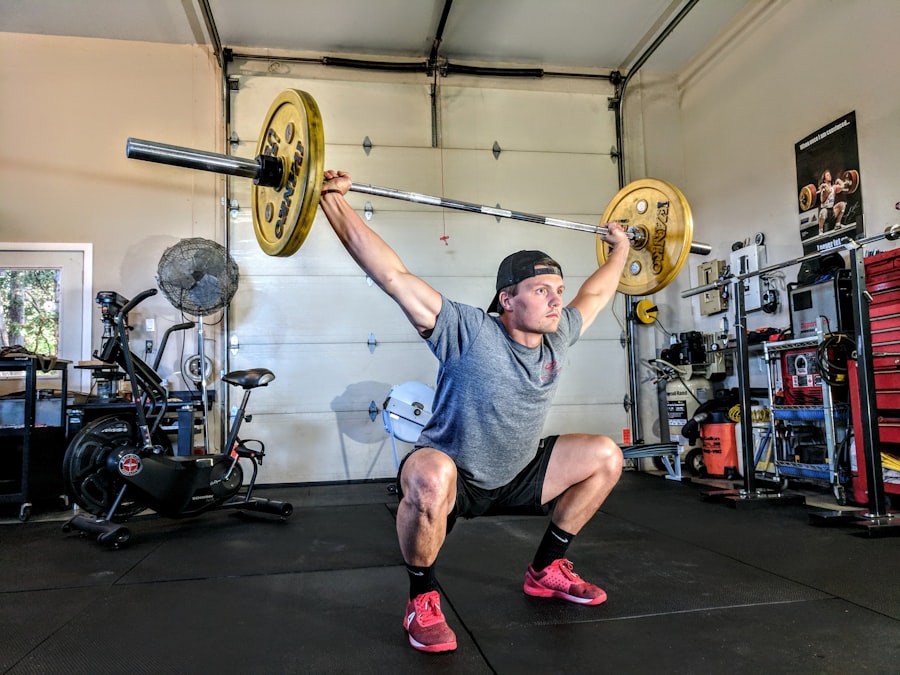
Fueling workouts on a keto diet requires a different approach compared to traditional carbohydrate-based diets. Since carbohydrate intake is limited, it’s essential to focus on consuming adequate amounts of healthy fats and moderate protein to support energy levels during exercise. Pre-workout meals should ideally consist of high-quality fats such as avocados, nuts, or coconut oil, which can provide sustained energy without causing spikes in blood sugar levels.
Timing is also crucial when it comes to fueling workouts on keto. Consuming a small meal or snack rich in fats about 30-60 minutes before exercising can help ensure that your body has access to the necessary energy sources. Additionally, post-workout nutrition should focus on replenishing electrolytes and providing protein for muscle recovery.
Incorporating foods like bone broth or electrolyte-rich beverages can aid in recovery while maintaining adherence to the keto guidelines.
Managing Energy Levels During Exercise on Keto
One of the most significant challenges individuals face when exercising on a keto diet is managing energy levels. As the body transitions into ketosis, it may take time for it to become efficient at utilizing fat for fuel during physical activity. This can lead to feelings of fatigue or decreased stamina during workouts, particularly in high-intensity or prolonged sessions.
To combat this, it’s essential to prioritize proper hydration and electrolyte balance, as dehydration can exacerbate feelings of fatigue. In addition to hydration, incorporating strategic carb cycling or targeted ketogenic dieting may be beneficial for those engaging in high-intensity workouts. This approach allows for occasional carbohydrate intake around workout times to provide an immediate source of energy without disrupting ketosis significantly.
By carefully timing carbohydrate consumption, individuals can experience improved performance while still reaping the benefits of a ketogenic lifestyle.
Incorporating Strength Training on the Keto Diet
Strength training is an essential component of any well-rounded fitness regimen, and it can be effectively integrated into a keto diet. While some may worry that reduced glycogen stores could hinder strength gains, many individuals find that they can maintain or even improve their strength levels while following a ketogenic eating plan. The key lies in ensuring adequate protein intake and focusing on progressive overload during strength training sessions.
When strength training on keto, it’s important to prioritize compound movements that engage multiple muscle groups, such as squats, deadlifts, and bench presses. These exercises not only promote muscle growth but also enhance overall metabolic function. Additionally, incorporating sufficient rest between sets allows for optimal recovery and performance during workouts.
As with any training program, consistency is vital; sticking to a well-structured strength training routine will yield the best results over time.
Cardiovascular Exercise and the Keto Diet

Cardiovascular exercise plays a crucial role in overall health and fitness, and it can be effectively performed while adhering to a keto diet. Many individuals find that their endurance improves once they adapt fully to ketosis, as fat becomes a more efficient fuel source for prolonged aerobic activities. However, during the initial transition phase, it’s common for some individuals to experience a temporary decline in cardiovascular performance.
To optimize cardiovascular workouts on keto, it’s essential to focus on maintaining a steady pace rather than pushing for maximum intensity right away. Activities such as jogging, cycling, or swimming at moderate intensities can help build endurance without depleting energy reserves too quickly. Additionally, incorporating interval training once fully adapted can enhance cardiovascular fitness while still adhering to ketogenic principles.
Hydration and Electrolyte Balance on Keto
Hydration and electrolyte balance are critical components of successfully navigating a keto diet, especially for those engaging in regular exercise. When carbohydrate intake is reduced, the body tends to excrete more water and electrolytes through urine due to decreased insulin levels. This can lead to an increased risk of dehydration and electrolyte imbalances if not properly managed.
To maintain optimal hydration levels while on keto, it’s essential to drink plenty of water throughout the day and consider incorporating electrolyte-rich foods or supplements into your routine. Foods such as leafy greens, avocados, nuts, and seeds are excellent sources of potassium and magnesium, which are vital for muscle function and overall health. Additionally, adding a pinch of salt to meals or consuming bone broth can help replenish sodium levels lost through sweat during exercise.
Recovery and Rest Days on the Keto Diet
Recovery is an often-overlooked aspect of any fitness regimen but is particularly important when following a keto diet. Adequate rest days allow the body to repair itself and adapt to the stresses of exercise while also preventing burnout or overtraining. On a ketogenic diet, recovery may be enhanced by focusing on nutrient-dense foods that support muscle repair and overall well-being.
Incorporating active recovery techniques such as gentle stretching or low-intensity activities like walking can promote blood flow and aid in recovery without placing additional stress on the body. Furthermore, prioritizing sleep is crucial for recovery; quality sleep supports hormonal balance and muscle repair processes that are essential for optimal performance in subsequent workouts. By recognizing the importance of recovery days and implementing strategies that align with a ketogenic lifestyle, individuals can achieve sustainable progress toward their fitness goals while maintaining overall health.
If you are interested in learning more about mindful eating, check out this article on the topic. Mindful eating can be a helpful practice when following a keto diet, as it can help you tune into your body’s hunger and fullness cues. Additionally, if you are looking for a delicious and refreshing recipe to enjoy while on keto, consider trying out the Watermelon and Arugula Salad featured in this article. And if you want some tips on how to navigate holiday gatherings while staying true to your keto lifestyle, be sure to read this article for some helpful guidelines.
FAQs
What is the keto diet?
The keto diet is a high-fat, low-carbohydrate diet that has been shown to help with weight loss and improve certain health conditions. It involves drastically reducing carbohydrate intake and replacing it with fat, putting the body into a metabolic state called ketosis.
How does exercising on keto differ from exercising on a regular diet?
Exercising on keto can be different from exercising on a regular diet because the body is using fat for fuel instead of carbohydrates. This can affect energy levels and performance during workouts.
What are the potential benefits of exercising on keto?
Some potential benefits of exercising on keto include improved fat burning, better blood sugar control, and potential weight loss. Some athletes also report improved endurance and mental clarity while exercising on keto.
What are the potential challenges of exercising on keto?
Challenges of exercising on keto can include initial fatigue and decreased performance as the body adapts to using fat for fuel. It may also be more difficult to engage in high-intensity workouts without readily available carbohydrates for quick energy.
What should I know about fueling my workouts on keto?
On keto, it’s important to fuel your workouts with sources of fat and protein, as the body’s carbohydrate stores are limited. Some people find success with targeted ketogenic diets, where they consume a small amount of fast-acting carbohydrates before a workout.
Are there any specific considerations for endurance athletes exercising on keto?
Endurance athletes may need to pay special attention to their electrolyte balance and hydration while exercising on keto, as the diet can affect fluid and mineral levels in the body. It’s important to stay properly fueled and hydrated during long training sessions or events.
