
Nutrition plays a pivotal role in the overall health and well-being of women, influencing everything from physical health to emotional stability. Women experience unique physiological changes throughout their lives, including menstruation, pregnancy, lactation, and menopause, all of which can significantly impact their nutritional needs. A well-balanced diet is essential not only for maintaining energy levels but also for supporting reproductive health, bone density, and mental wellness.
By prioritizing nutrition, women can enhance their quality of life and reduce the risk of chronic diseases. Moreover, the importance of women’s nutrition extends beyond individual health; it has broader implications for families and communities. When women are nourished and healthy, they are better equipped to care for their families and contribute positively to society.
This interconnectedness highlights the need for a societal focus on women’s nutritional education and access to healthy food options. By fostering an environment that supports women’s health through proper nutrition, we can create a ripple effect that benefits future generations.
- Key Takeaways
- Key Nutrients for Women’s Health
- The Role of a Healthy Diet in Women’s Wellness
- Common Nutritional Concerns for Women
- Tips for Maintaining a Balanced Diet
- Foods to Include in a Woman’s Diet
- Foods to Limit or Avoid for Women’s Health
- Seeking Professional Guidance for Women’s Nutritional Needs
- FAQs
- What are the essential nutrients that women need in their diet?
- How can women ensure they are getting enough calcium in their diet?
- Why is iron important for women’s health?
- What is the role of folate in women’s health?
- How can women ensure they are getting enough vitamin D?
- What are the benefits of omega-3 fatty acids for women?
Key Takeaways
- Proper nutrition is crucial for women’s overall health and well-being, as it can impact fertility, pregnancy, and long-term health outcomes.
- Key nutrients for women’s health include calcium, iron, folic acid, vitamin D, and omega-3 fatty acids, which are essential for bone health, reproductive health, and overall vitality.
- A healthy diet plays a significant role in women’s wellness by reducing the risk of chronic diseases such as heart disease, diabetes, and certain cancers.
- Common nutritional concerns for women include iron deficiency, osteoporosis, and inadequate intake of essential vitamins and minerals.
- Maintaining a balanced diet involves consuming a variety of nutrient-dense foods, staying hydrated, and practicing portion control to support overall health and well-being.
Key Nutrients for Women’s Health
Certain nutrients are particularly vital for women’s health, each playing a unique role in supporting bodily functions. Iron is one of the most critical minerals for women, especially during menstruation when blood loss can lead to deficiencies. Adequate iron intake helps prevent anemia, which can cause fatigue and weakness.
Foods rich in iron, such as lean meats, beans, lentils, and fortified cereals, should be staples in a woman’s diet. Pairing these foods with vitamin C-rich items like citrus fruits can enhance iron absorption, making it easier for the body to utilize this essential mineral. Calcium and vitamin D are also crucial for women, particularly as they age.
These nutrients work together to maintain bone health and prevent osteoporosis, a condition that disproportionately affects women post-menopause. Dairy products, leafy greens, and fortified plant-based milks are excellent sources of calcium, while vitamin D can be obtained through sunlight exposure and foods like fatty fish and fortified products. Ensuring adequate intake of these nutrients is vital for maintaining strong bones and overall skeletal health throughout a woman’s life.
The Role of a Healthy Diet in Women’s Wellness

A healthy diet serves as the foundation for overall wellness in women, influencing not just physical health but also mental and emotional well-being. Consuming a variety of nutrient-dense foods helps to stabilize mood, improve cognitive function, and reduce the risk of anxiety and depression. Research has shown that diets rich in whole grains, fruits, vegetables, lean proteins, and healthy fats can lead to improved mental health outcomes.
By nourishing the body with wholesome foods, women can enhance their resilience against stressors and promote a more balanced emotional state. Furthermore, a healthy diet can significantly impact reproductive health. Nutritional choices can affect menstrual cycles, fertility, and pregnancy outcomes.
For instance, a diet high in antioxidants from fruits and vegetables may support reproductive function by reducing oxidative stress. Additionally, maintaining a healthy weight through balanced nutrition is crucial for hormonal balance and fertility. Women who prioritize their dietary choices are more likely to experience positive reproductive health outcomes and overall wellness.
Common Nutritional Concerns for Women
Despite the importance of nutrition, many women face specific dietary challenges that can hinder their health. One common concern is the prevalence of disordered eating patterns, which can stem from societal pressures regarding body image. These patterns may lead to inadequate nutrient intake or an unhealthy relationship with food.
It is essential for women to cultivate a positive mindset around eating and to focus on nourishing their bodies rather than adhering to restrictive diets that may not be sustainable or beneficial in the long run. Another significant nutritional concern for women is the risk of deficiencies in key vitamins and minerals due to dietary restrictions or lifestyle choices. For example, women who follow vegetarian or vegan diets may struggle to obtain sufficient levels of iron, vitamin B12, and omega-3 fatty acids if they do not plan their meals carefully.
Additionally, busy lifestyles can lead to reliance on convenience foods that are often low in essential nutrients. Addressing these concerns requires awareness and education about proper nutrition to ensure that women can meet their dietary needs effectively.
Tips for Maintaining a Balanced Diet
Maintaining a balanced diet is essential for optimal health, yet it can sometimes feel overwhelming. One effective strategy is to focus on meal planning and preparation. By dedicating time each week to plan meals and snacks, women can ensure they have access to nutritious options that align with their dietary goals.
Preparing meals in advance not only saves time during busy weekdays but also reduces the temptation to opt for unhealthy convenience foods. Incorporating variety into the diet is another key tip for achieving balance. Eating a wide range of foods ensures that women receive a diverse array of nutrients necessary for overall health.
Experimenting with new recipes or trying different cuisines can make healthy eating enjoyable rather than monotonous. Additionally, being mindful of portion sizes and listening to hunger cues can help maintain a healthy relationship with food while preventing overeating.
Foods to Include in a Woman’s Diet

To support optimal health, certain foods should be prioritized in a woman’s diet. Leafy greens such as spinach, kale, and Swiss chard are nutrient powerhouses packed with vitamins A, C, K, and folate. These vegetables are low in calories but high in fiber, making them excellent choices for maintaining a healthy weight while providing essential nutrients.
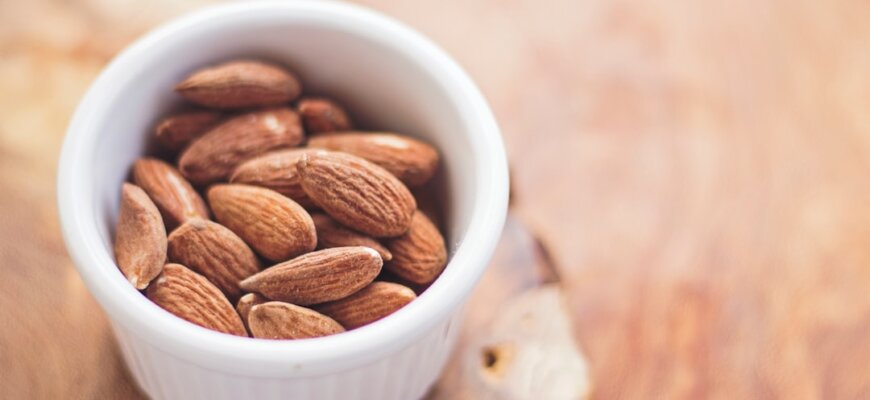
Incorporating whole grains like quinoa, brown rice, and oats is also beneficial for women’s health. These grains are rich in fiber and B vitamins, which support energy levels and digestive health. Additionally, healthy fats from sources like avocados, nuts, seeds, and olive oil are crucial for hormone regulation and brain function.
Including these foods regularly can help women achieve a well-rounded diet that supports both physical and mental well-being.
Foods to Limit or Avoid for Women’s Health
While there are many foods that promote health, there are also those that should be limited or avoided altogether to support women’s well-being. Processed foods high in added sugars, unhealthy fats, and sodium can contribute to various health issues such as obesity, heart disease, and diabetes. These foods often lack essential nutrients and can lead to energy crashes and cravings for more unhealthy options.
Additionally, excessive consumption of caffeine and alcohol can negatively impact women’s health. While moderate caffeine intake may have some benefits, overconsumption can lead to anxiety and sleep disturbances. Similarly, alcohol should be consumed in moderation as it can interfere with hormonal balance and contribute to weight gain.
Being mindful of these dietary choices is essential for maintaining optimal health throughout different life stages.
Seeking Professional Guidance for Women’s Nutritional Needs
Navigating the complexities of nutrition can be challenging, especially given the unique needs of women at various life stages. Seeking professional guidance from a registered dietitian or nutritionist can provide personalized support tailored to individual goals and circumstances. These professionals can help women develop sustainable eating habits that align with their lifestyle while addressing any specific nutritional concerns.
Working with a nutrition expert allows women to gain insights into evidence-based practices that promote long-term health. Whether it’s managing weight, optimizing performance as an athlete, or addressing specific health conditions like PCOS or menopause symptoms, professional guidance can empower women to make informed dietary choices that enhance their overall quality of life. By investing in their nutritional education and support, women can take proactive steps toward achieving their health goals and fostering lifelong wellness.
For more information on mindful eating, check out the article Strategies to Master Mindful Eating. This article provides valuable tips and techniques to help women develop a healthier relationship with food and improve their overall well-being.
FAQs
What are the essential nutrients that women need in their diet?
Women need a variety of essential nutrients in their diet, including calcium, iron, folate, vitamin D, and omega-3 fatty acids. These nutrients are important for bone health, reproductive health, and overall well-being.
How can women ensure they are getting enough calcium in their diet?
Women can ensure they are getting enough calcium in their diet by consuming dairy products, leafy green vegetables, fortified foods, and supplements if necessary. Calcium is important for bone health and preventing osteoporosis.
Why is iron important for women’s health?
Iron is important for women’s health because it helps transport oxygen throughout the body and is especially important for women of childbearing age to prevent iron-deficiency anemia. Good sources of iron include red meat, poultry, fish, beans, and fortified cereals.
What is the role of folate in women’s health?
Folate, also known as folic acid, is important for women’s health because it helps prevent neural tube defects in babies during pregnancy. Good sources of folate include leafy green vegetables, citrus fruits, and fortified grains.
How can women ensure they are getting enough vitamin D?
Women can ensure they are getting enough vitamin D by spending time in the sun, consuming fortified foods such as milk and cereal, and taking supplements if necessary. Vitamin D is important for bone health and immune function.
What are the benefits of omega-3 fatty acids for women?
Omega-3 fatty acids have numerous benefits for women, including reducing the risk of heart disease, improving mood and mental health, and reducing inflammation. Good sources of omega-3 fatty acids include fatty fish, flaxseeds, and walnuts.
