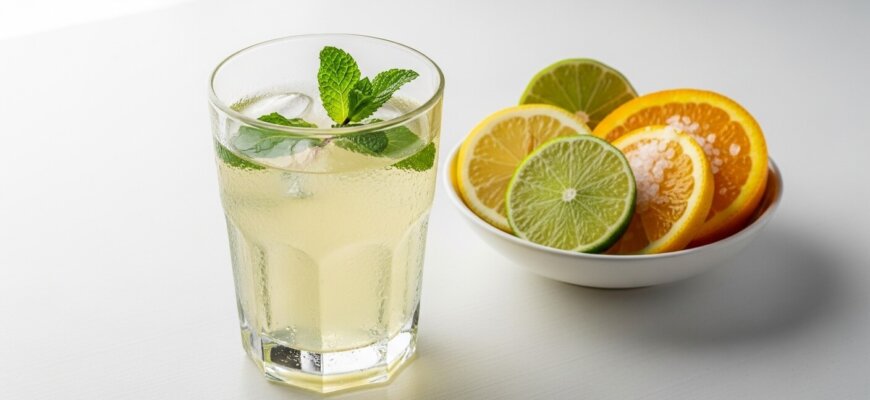
Electrolyte drinks replace sodium and other minerals lost through sweat, helping your body maintain fluid balance and muscle function during activity. You can make effective versions at home with just salt, water, and a small amount of natural sweetener. This guide explains when you need them, how to adjust recipes for different activity levels, and when commercial options work better.
- What electrolyte drinks actually do for your body
- The minerals your body loses during exercise
- How homemade versions compare to store-bought options
- Making homemade electrolyte drink step by step
- Basic recipe ratios for different activity levels
- Adding natural flavor without extra sugar
- When DIY sports drinks backfire
- Signs you need more sodium than recipes provide
- Activities that require commercial drink formulations
- FAQ
- How much salt should I use in homemade electrolyte drink?
- What are the main benefits of proper electrolyte hydration?
- Can DIY sports drinks replace Gatorade for intense workouts?
- Conclusion
What electrolyte drinks actually do for your body
Electrolytes are minerals that carry an electrical charge and regulate fluid movement in and out of cells. When you sweat, you lose these minerals—especially sodium—which can lead to cramping, fatigue, or dizziness if you’re only replacing water. According to the National Institute of Diabetes and Digestive and Kidney Diseases, sodium is the primary electrolyte lost during exercise and plays a critical role in maintaining proper hydration.
The minerals your body loses during exercise
Sodium is the main mineral you need to replace. Potassium, magnesium, and calcium support muscle contractions and heart rhythm, but you lose them in much smaller amounts than sodium during typical workouts. For moderate exercise under 90 minutes, plain water is usually enough. The American College of Sports Medicine notes that electrolyte drinks become more useful when activity is longer, more intense, or happens in hot weather.
How homemade versions compare to store-bought options
Commercial sports drinks provide precise ratios of sodium and glucose designed to speed water absorption in your gut. Homemade electrolyte drinks offer similar benefits with less sugar and no artificial ingredients, but they won’t match the exact sodium levels or carbohydrate profiles of laboratory-formulated products. For general exercise recovery, DIY versions work well. For clinical dehydration or long endurance events, commercial formulations may be more appropriate.
Making homemade electrolyte drink step by step
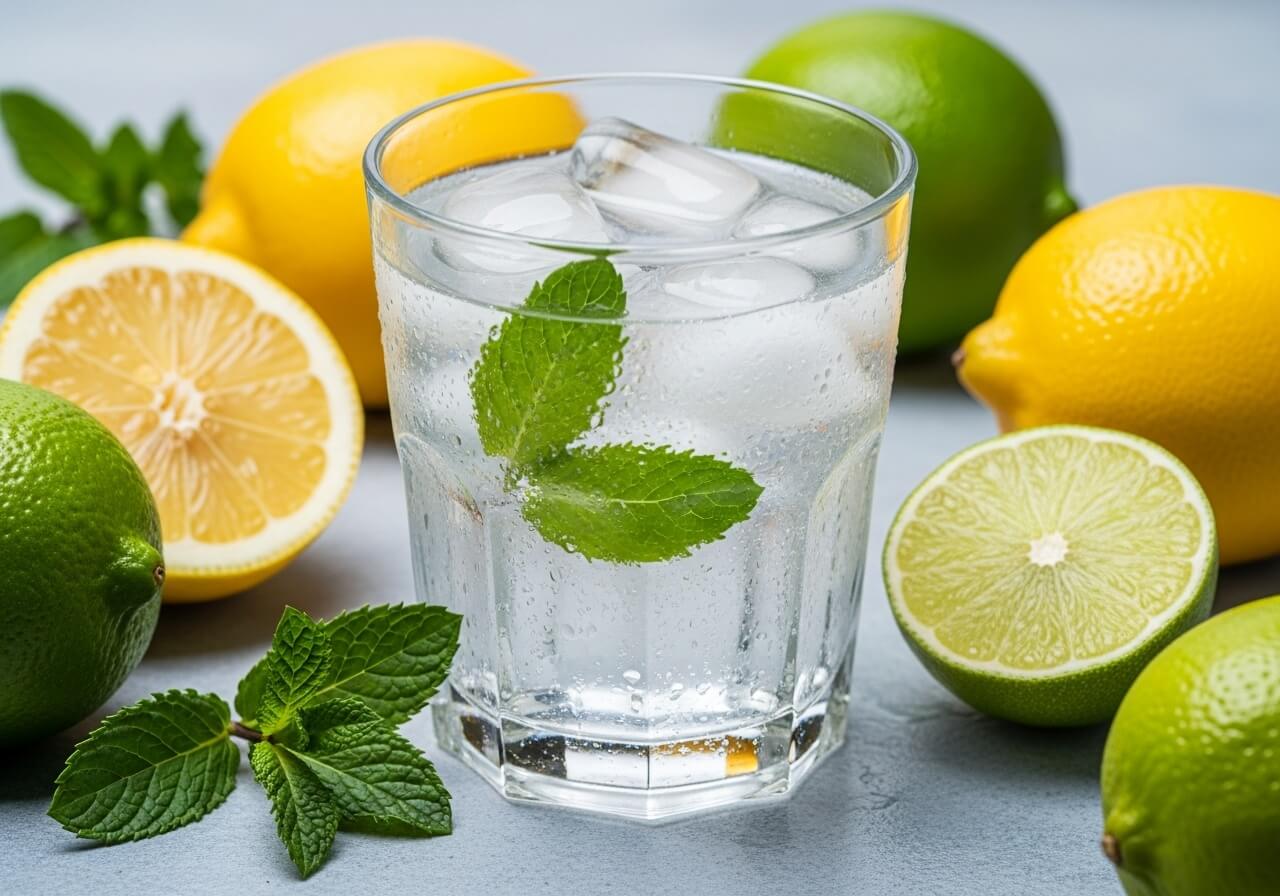
The goal is simple: replace sodium and add a small amount of sugar to help your body absorb water and salt more efficiently. Mix ingredients in a bottle or pitcher and stir until the salt dissolves completely.
Basic recipe ratios for different activity levels
Moderate activity (60–90 minutes): Mix 2 cups water, 1/4 teaspoon salt, and 1 tablespoon honey or maple syrup.
Intense or prolonged exercise (2+ hours or extreme heat): Mix 2 cups water, 1/2 teaspoon salt, 1/4 teaspoon potassium chloride (lite-salt), and 2 tablespoons honey or maple syrup.
Heavy sweaters: If you notice white salt streaks on your skin or clothing after workouts, add an extra 1/8 teaspoon salt per cup of water.
Adding natural flavor without extra sugar
Squeeze half a lemon or lime into the mix for tartness and a small potassium boost. Muddle fresh raspberries or cucumber slices for subtle flavor. You can also replace half the water with coconut water to increase potassium naturally, but keep the added salt—coconut water alone doesn’t provide enough sodium for heavy sweat loss.
When DIY sports drinks backfire
Homemade recipes work for most recreational exercise, but they’re not appropriate for every situation. Some scenarios require more precision than a DIY approach can provide.
Signs you need more sodium than recipes provide
Persistent muscle cramping, lingering headaches after exercise, or extreme tiredness despite drinking plenty of water may indicate your sodium loss exceeds what a basic homemade recipe delivers. In these cases, a commercial sports drink or salt tablet may restore balance more effectively.
Activities that require commercial drink formulations
Endurance events like marathons benefit from the predictable sodium and carbohydrate delivery that commercial drinks provide. If you’re experiencing prolonged vomiting or diarrhea, a homemade drink is not a substitute for an Oral Rehydration Solution. The World Health Organization emphasizes that medical-grade ORS uses a precise glucose-to-sodium ratio specifically designed to treat clinical dehydration.
People with kidney disease, heart failure, or hypertension should consult a healthcare provider before using electrolyte drinks. The National Kidney Foundation notes that added sodium can be dangerous for these conditions, making DIY recipes with flexible salt content potentially risky.
FAQ
How much salt should I use in homemade electrolyte drink?
Start with 1/4 teaspoon per 16 ounces of water for moderate activity. Increase to 1/2 teaspoon per 16 ounces if you’re a heavy sweater or exercising in heat for more than two hours. Adjust based on how you feel and whether you notice salt residue on your skin after workouts.
What are the main benefits of proper electrolyte hydration?
Replacing electrolytes during long or intense activity prevents hyponatremia—a dangerous drop in blood sodium that can occur when you drink excessive plain water without replacing salt. It also supports consistent muscle function and helps you avoid the mental fog and fatigue that come with mineral depletion.
Can DIY sports drinks replace Gatorade for intense workouts?
For most recreational athletes doing workouts under three hours, a homemade drink with proper sodium content works well. Elite endurance athletes competing in extreme heat for several hours may benefit from the consistent carbohydrate and mineral delivery that commercial products provide, especially when precise fueling matters for performance.
Conclusion
Homemade electrolyte drinks work well when you match the sodium level to your activity and sweat rate. Start with a basic recipe for moderate workouts and increase the salt only when you’re sweating heavily or exercising for extended periods. Listen to your body, adjust as needed, and you’ll stay hydrated without unnecessary additives.