
A mindful exercise guide teaches you to pair physical movement with intentional awareness—using breath, focus, and body sensations to create calmer, more effective workouts. This approach doesn’t replace conventional training but adds a layer of attention that can reduce stress and improve how your body responds to exercise.
- What makes a mindful exercise guide different from a regular workout plan
- Core concepts: attention, breath, and intention in motion
- Proven benefits: stress reduction and mental clarity
- How to weave mindfulness into cardio, strength, and yoga sessions
- Mindfulness during cardio: focus points and breath cues
- Yoga breathing tips and mindful strength work
- When mindfulness during exercise can backfire and how to stay safe
- Over-focusing that disrupts form or performance
- Managing anxiety and knowing your limits
- FAQ
- Can mindfulness help lower my heart rate during high-intensity workouts?
- Do I need special equipment to practice yoga breathing at home?
- How often should I include mindful movement in my routine?
- Conclusion
What makes a mindful exercise guide different from a regular workout plan
Traditional workouts emphasize completing sets, hitting targets, or pushing through discomfort. A mindful exercise guide instead trains you to observe sensations, regulate breath, and maintain present-moment awareness while moving.
Core concepts: attention, breath, and intention in motion
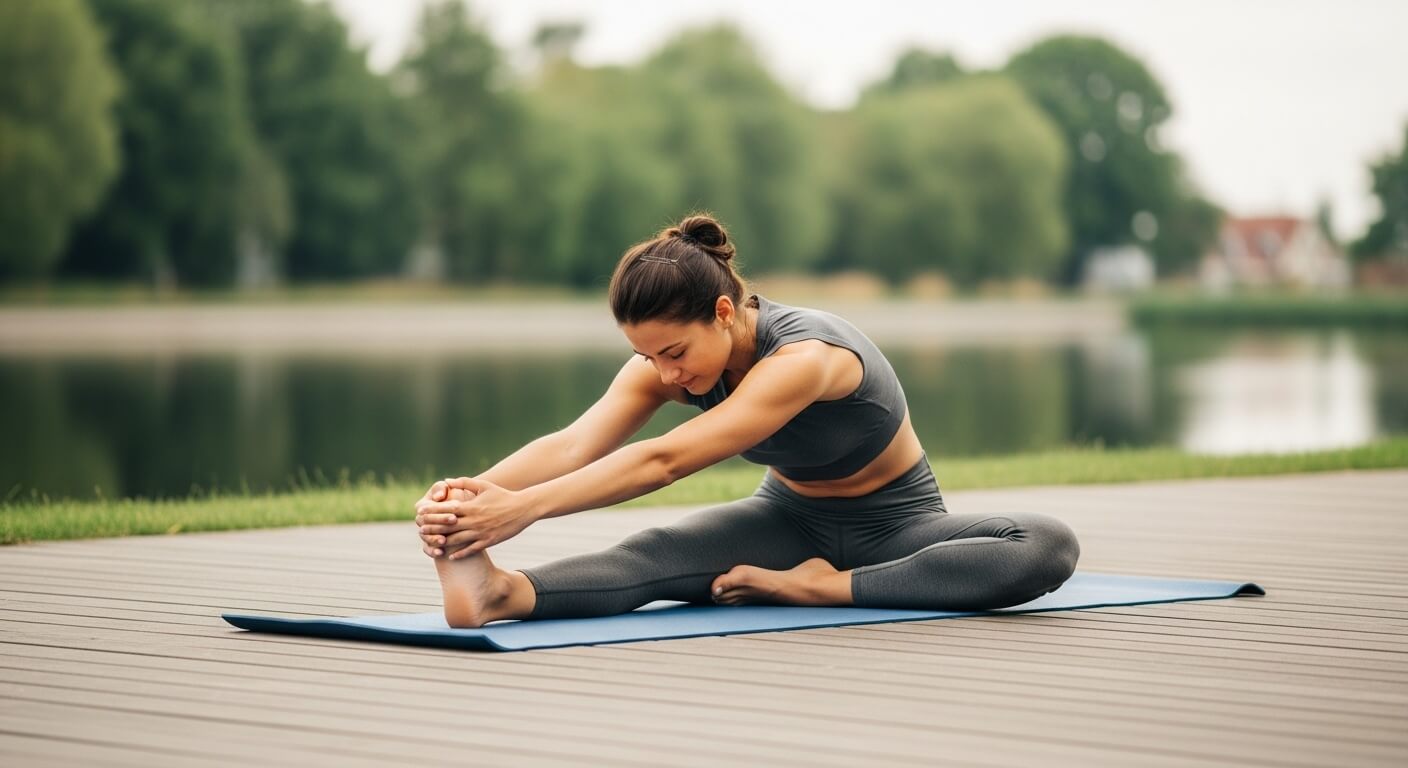
Attention anchors you to immediate physical experience—feeling your feet strike the ground, noticing shoulder tension during overhead presses, or sensing your spine lengthen in a stretch. Breath acts as both rhythm keeper and stress indicator; using exhale during exertion often feels more natural and sustainable. Intention means choosing each movement deliberately rather than moving on autopilot, which changes how your nervous system processes physical stress.
Proven benefits: stress reduction and mental clarity
Mindfulness practices are associated with reduced stress and improved emotional regulation. When applied to movement, this translates to better recovery, enhanced body awareness, and workouts that feel less draining afterward. The mindful movement benefits emerge from active attention rather than passive relaxation.
How to weave mindfulness into cardio, strength, and yoga sessions
You don’t need extra time—just shift attention patterns during your normal routine. Pick one activity to start, then gradually expand.
Mindfulness during cardio: focus points and breath cues
During easy runs, alternate between two focus anchors: count your stride rhythm for 30 seconds, then notice the sensation of air temperature on your skin for 30 seconds. On the bike, sync breath to pedal strokes—inhalе for two full rotations, exhalе for two. When mental chatter arises, acknowledge it briefly and return to your chosen physical cue without criticism.
Yoga breathing tips and mindful strength work
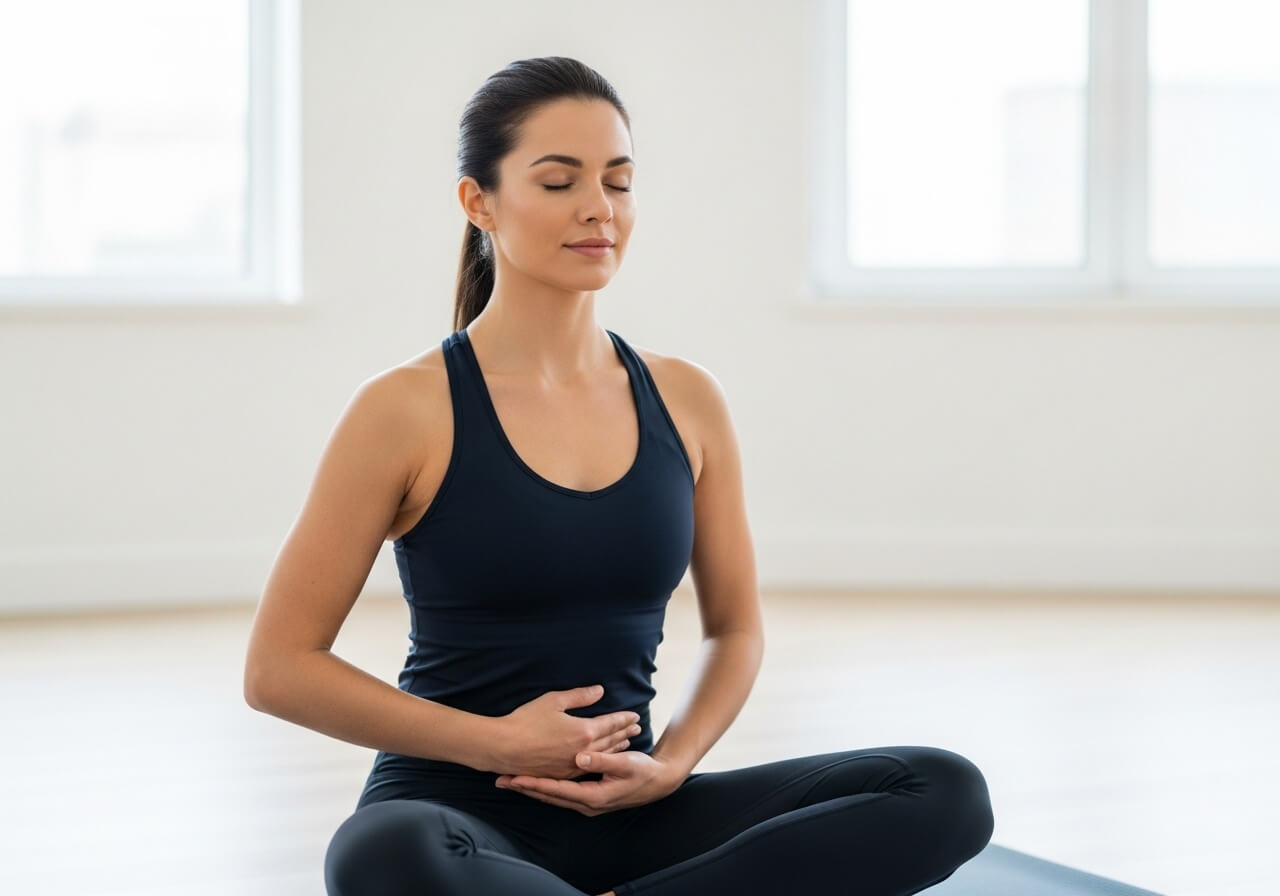
In yoga flows, maintain steady nasal breathing through foundational poses like cat-cow or mountain pose. While holding standing poses, perform quick body scans every 20-30 seconds to release unnecessary tension. During strength exercises, coordinate exhale with peak contraction—a bicep curl, overhead press, or squat—and use that moment to assess shoulder blade position or foot stability.
When mindfulness during exercise can backfire and how to stay safe
Mindful exercise works best during moderate-intensity activities. During high-intensity or technically demanding movements, excessive internal focus can compromise safety.
Over-focusing that disrupts form or performance
During heavy lifts or complex movements, choose one external or mechanical cue instead of monitoring multiple sensations. For deadlifts, focus on “chest up, heels down” rather than detailed breath counting. Establish your breathing pattern beforehand—inhale during setup, exhale during exertion—then trust it without constant adjustment.
Managing anxiety and knowing your limits
If closing your eyes during breathing exercises triggers dizziness or discomfort, keep focus on a stable visual point instead. During interval training, direct attention to physical cues like landing softly during jump rope rather than attempting to control rapid breathing changes. Those with anxiety may benefit from brief mindfulness windows—90 seconds to 2 minutes—rather than extended sessions until they build tolerance.
FAQ
Can mindfulness help lower my heart rate during high-intensity workouts?
Mindfulness may reduce perceived effort during moderate cardio, but during maximum effort intervals, heart rate responds primarily to physical demand. Between high-intensity sets, using simple breath awareness can sometimes help with faster recovery.
Do I need special equipment to practice yoga breathing at home?
No. A yoga mat or carpeted floor works fine for basic poses. Comfortable clothing that allows full breathing is helpful, but elaborate props aren’t necessary for learning breath coordination.
How often should I include mindful movement in my routine?
Begin with one mindful session per week—perhaps a weekend walk or easy yoga flow. Notice how your body responds, then gradually add sessions rather than committing to a rigid schedule upfront.
Conclusion
A mindful exercise guide transforms workouts into opportunities for both physical and mental well-being. Start by syncing breath to movement during your next easy cardio session—just five minutes of intentional attention. As the practice feels natural, extend it to other activities while always prioritizing safe form over perfect mindfulness.