

Nutrition plays a pivotal role in the development of strength and power, serving as the foundation upon which athletic performance is built. For athletes engaged in strength training, the right dietary choices can significantly enhance their ability to lift heavier weights, increase muscle mass, and improve overall performance. The body requires a balanced intake of macronutrients—proteins, carbohydrates, and fats—as well as micronutrients to support muscle repair, energy production, and recovery.
Each of these components contributes uniquely to an athlete’s ability to train effectively and achieve their goals. Moreover, nutrition is not merely about consuming the right foods; it is also about timing and the quality of those foods. For strength athletes, understanding how to fuel the body before, during, and after workouts can make a substantial difference in performance outcomes.
A well-structured nutrition plan can help optimize energy levels, enhance muscle recovery, and reduce the risk of injury. By focusing on nutrient-dense foods and maintaining a balanced diet, athletes can ensure that their bodies are equipped to handle the demands of rigorous training regimens.
- Key Takeaways
- The Importance of Protein in a Strength Athlete’s Diet
- The Importance of Protein for Muscle Repair and Growth
- Recommended Protein Intake for Strength Athletes
- Quality of Protein Sources Matters
- Carbohydrates: Fueling Power Athletes for High-Intensity Workouts
- The Role of Fats in Supporting Strength and Power Training
- Hydration and Electrolyte Balance for Optimal Performance
- Micronutrients: Vitamins and Minerals for Muscle Function and Recovery
- Pre- and Post-Workout Nutrition Strategies for Strength and Power Athletes
- Supplements for Strength and Power: What Works and What Doesn’t
- FAQs
- What is the importance of nutrition for building strength and power?
- What are the key nutrients needed for building strength and power?
- How does protein intake impact strength and power gains?
- What role do carbohydrates play in building strength and power?
- How can healthy fats contribute to building strength and power?
- What are some examples of foods that are beneficial for building strength and power?
Key Takeaways
- Proper nutrition is essential for building strength and power in athletes.
- Protein is crucial for muscle repair and growth in strength athletes’ diets.
- Carbohydrates are important for fueling high-intensity workouts in power athletes.
- Fats play a role in supporting strength and power training.
- Hydration and electrolyte balance are crucial for optimal performance in strength and power athletes.
The Importance of Protein in a Strength Athlete’s Diet
The Importance of Protein for Muscle Repair and Growth
When athletes engage in resistance training, they create micro-tears in their muscle fibers. Consuming protein post-workout helps to repair these tears, leading to muscle hypertrophy and increased strength over time.
Recommended Protein Intake for Strength Athletes
The recommended protein intake for strength athletes typically ranges from 1.2 to 2.2 grams per kilogram of body weight, depending on the intensity and frequency of their training.
Quality of Protein Sources Matters
In addition to quantity, the quality of protein sources matters significantly. Athletes should aim for high-quality proteins that contain all essential amino acids, such as lean meats, fish, eggs, dairy products, legumes, and plant-based protein sources like quinoa and soy.
Carbohydrates: Fueling Power Athletes for High-Intensity Workouts
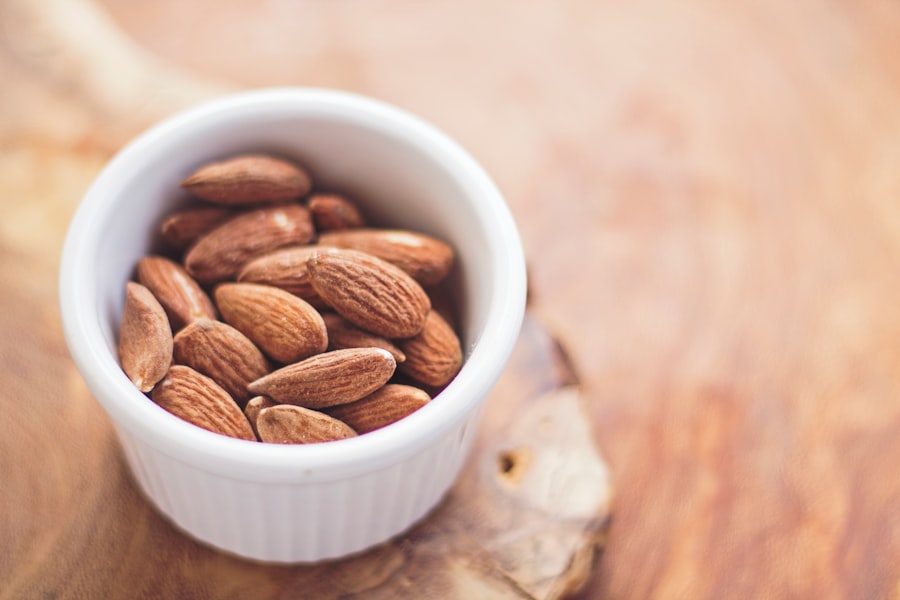
Carbohydrates are often misunderstood in the realm of strength training; however, they are vital for fueling high-intensity workouts. During strenuous exercise, the body primarily relies on glycogen stores—carbohydrates stored in muscles and the liver—for energy. For strength athletes who engage in explosive movements or prolonged training sessions, adequate carbohydrate intake is essential to maintain performance levels.
Insufficient carbohydrate consumption can lead to fatigue, decreased strength output, and impaired recovery. The type of carbohydrates consumed also plays a significant role in performance. Athletes should focus on complex carbohydrates such as whole grains, fruits, and vegetables that provide sustained energy release.
Simple carbohydrates can be beneficial as well, particularly around workout times when quick energy is needed. Timing carbohydrate intake—such as consuming a carbohydrate-rich meal or snack before and after workouts—can help replenish glycogen stores and support optimal performance during training sessions.
The Role of Fats in Supporting Strength and Power Training
While carbohydrates and proteins often take center stage in discussions about athletic nutrition, fats are equally important for strength athletes. Fats serve as a concentrated source of energy and are essential for hormone production, including hormones like testosterone that play a crucial role in muscle growth and recovery. Including healthy fats in the diet can help support overall health while providing the necessary energy for longer training sessions.
Athletes should prioritize unsaturated fats found in foods such as avocados, nuts, seeds, olive oil, and fatty fish. These fats not only provide energy but also contain anti-inflammatory properties that can aid in recovery from intense workouts. It is important to strike a balance between fat intake and overall caloric needs; while fats are essential, they should be consumed in moderation to avoid excess calorie consumption that could hinder performance goals.
Hydration and Electrolyte Balance for Optimal Performance
Hydration is often overlooked but is critical for optimal performance in strength training. Water plays a vital role in nearly every bodily function, including temperature regulation, nutrient transport, and muscle contraction. Dehydration can lead to decreased strength output, impaired cognitive function, and increased risk of injury.
Therefore, maintaining proper hydration levels before, during, and after workouts is essential for athletes looking to maximize their performance. In addition to water intake, electrolyte balance is crucial for maintaining hydration status and supporting muscle function. Electrolytes such as sodium, potassium, magnesium, and calcium help regulate fluid balance within the body and are lost through sweat during intense exercise.
Athletes should consider incorporating electrolyte-rich foods or beverages into their nutrition plan, especially during prolonged training sessions or competitions where fluid loss is significant. This approach not only aids hydration but also supports muscle function and recovery.
Micronutrients: Vitamins and Minerals for Muscle Function and Recovery

While macronutrients receive much attention in sports nutrition discussions, micronutrients—vitamins and minerals—are equally important for strength athletes. These nutrients play critical roles in various physiological processes that support muscle function, energy production, and recovery. For instance, calcium and vitamin D are essential for bone health and muscle contraction, while B vitamins are crucial for energy metabolism.
Athletes should aim to consume a diverse range of fruits and vegetables to ensure they meet their micronutrient needs. Foods rich in antioxidants can also help combat oxidative stress caused by intense training. Nutrient deficiencies can lead to impaired performance and increased risk of injury; therefore, it is vital for athletes to prioritize a well-rounded diet that includes a variety of nutrient-dense foods to support their training goals.
Pre- and Post-Workout Nutrition Strategies for Strength and Power Athletes
Timing nutrition around workouts is a key strategy for strength athletes looking to optimize performance and recovery. Pre-workout nutrition should focus on providing adequate energy while minimizing gastrointestinal discomfort during exercise. A balanced meal or snack containing carbohydrates and protein consumed about 30 minutes to two hours before training can help fuel workouts effectively.
For example, a banana with nut butter or a smoothie with protein powder can provide the necessary energy without weighing the athlete down. Post-workout nutrition is equally important for recovery. Consuming a meal or snack rich in protein and carbohydrates within 30 minutes after training can help replenish glycogen stores and promote muscle repair.
This window of opportunity is often referred to as the “anabolic window,” where the body is primed to absorb nutrients efficiently. Options such as a protein shake with fruit or a chicken sandwich on whole-grain bread can provide the necessary nutrients to support recovery.
Supplements for Strength and Power: What Works and What Doesn’t
In the world of sports nutrition, supplements often promise enhanced performance; however, it is essential for athletes to discern which supplements are effective and which are not. Creatine monohydrate is one of the most researched supplements known to improve strength and power output by increasing phosphocreatine stores in muscles. This allows athletes to perform more repetitions at higher intensities during training sessions.
Other supplements such as branched-chain amino acids (BCAAs) may aid in reducing muscle soreness and promoting recovery; however, their effectiveness can vary among individuals. It is crucial for athletes to approach supplementation with caution and prioritize whole food sources first before considering supplements as an adjunct to their diet. Consulting with a registered dietitian or nutritionist can help athletes make informed decisions about which supplements may be beneficial based on their specific needs and goals.
In conclusion, nutrition plays an integral role in building strength and power for athletes engaged in resistance training. By understanding the importance of macronutrients like protein, carbohydrates, and fats—as well as micronutrients—athletes can create personalized nutrition strategies that support their performance goals. Hydration, timing of meals around workouts, and careful consideration of supplements further enhance an athlete’s ability to train effectively and recover optimally.
With a solid nutritional foundation in place, strength athletes can unlock their full potential both in the gym and beyond.
If you are interested in learning more about the impact of caffeine on strength and power, check out the article “That Morning Cup of Joe.” This article explores the benefits of caffeine for athletic performance and how it can enhance your workouts. Understanding how caffeine affects your body can help you make informed decisions about incorporating it into your nutrition plan for building strength and power.
FAQs
What is the importance of nutrition for building strength and power?
Proper nutrition is essential for building strength and power as it provides the necessary nutrients for muscle growth, repair, and recovery. It also fuels the body for intense workouts and helps optimize performance.
What are the key nutrients needed for building strength and power?
Key nutrients for building strength and power include protein for muscle repair and growth, carbohydrates for energy, and healthy fats for hormone production and overall health. Additionally, vitamins and minerals such as vitamin D, calcium, and iron play important roles in muscle function and overall performance.
How does protein intake impact strength and power gains?
Protein is crucial for building and repairing muscle tissue, making it essential for strength and power gains. Consuming adequate protein helps support muscle recovery and growth, especially after intense workouts.
What role do carbohydrates play in building strength and power?
Carbohydrates are the body’s primary source of energy, making them essential for fueling intense workouts and supporting muscle performance. Consuming carbohydrates before and after workouts can help optimize strength and power gains.
How can healthy fats contribute to building strength and power?
Healthy fats play a role in hormone production, which is important for muscle growth and overall health. They also provide a concentrated source of energy and can support overall performance during strength and power training.
What are some examples of foods that are beneficial for building strength and power?
Foods that are beneficial for building strength and power include lean proteins such as chicken, turkey, and fish, complex carbohydrates like sweet potatoes and quinoa, and healthy fats from sources like avocados, nuts, and seeds. Additionally, fruits and vegetables provide essential vitamins and minerals for overall health and performance.
