

Superfoods are a term that has gained significant traction in the health and wellness community, referring to foods that are exceptionally rich in nutrients and beneficial compounds. These foods are often packed with vitamins, minerals, antioxidants, and other bioactive substances that contribute to overall health and well-being. The importance of superfoods lies in their ability to provide concentrated sources of essential nutrients that can help prevent chronic diseases, enhance physical performance, and promote longevity.
By incorporating superfoods into our diets, we can harness their powerful health benefits and support our bodies in a holistic manner. The benefits of including superfoods in our daily meals are manifold. For one, they can help bridge the nutritional gaps that may exist in our diets, especially in a world where processed foods often dominate.
Superfoods can also enhance our immune system, improve digestion, and boost energy levels. Furthermore, many superfoods have anti-inflammatory properties, which can be crucial for maintaining optimal health as we age. By making a conscious effort to include these nutrient-dense foods in our meals, we can cultivate a more balanced diet that not only nourishes our bodies but also supports our mental and emotional well-being.
Key Takeaways
- Superfoods are nutrient-dense foods that are important for our health
- Incorporating superfoods into your diet can provide numerous health benefits
- Nutrient density in foods refers to the amount of nutrients per calorie
- Examples of nutrient-dense foods include kale, blueberries, and quinoa
- Superfoods provide a wider range of nutrients than multivitamins
- Antioxidants are important for overall health and can be found in certain superfoods
- Superfoods high in antioxidants include berries, dark chocolate, and spinach
- Omega-3 fatty acids play a crucial role in the body’s functions
- Superfoods rich in omega-3 fatty acids include salmon, chia seeds, and walnuts
- Certain superfoods can help support a healthy immune system
- Nutrition plays a key role in immune function
- Superfoods for immune support include garlic, ginger, and turmeric
- Certain superfoods can boost energy levels and overall vitality
- Examples of energizing superfoods include matcha, maca, and goji berries
- Practical tips for adding more superfoods to your meals include smoothies and salads
- Variety and balance are important in a superfood-rich diet
- Incorporating superfoods into your diet can be as simple as adding them to your favorite recipes
Nutrient-Dense Foods
Nutrient density is a concept that emphasizes the amount of essential nutrients a food contains relative to its calorie content. Foods that are considered nutrient-dense provide a high level of vitamins, minerals, and other beneficial compounds without excessive calories. This concept is particularly important in today’s society, where many individuals struggle with weight management and chronic health issues.
By focusing on nutrient-dense foods, we can make more informed dietary choices that promote health without unnecessary caloric intake. Examples of nutrient-dense foods include leafy greens like kale and spinach, which are rich in vitamins A, C, K, and various minerals while being low in calories. Other examples include berries, which are packed with antioxidants and fiber; legumes such as lentils and chickpeas, which provide protein and essential nutrients; and fatty fish like salmon, which is high in omega-3 fatty acids.
Incorporating these foods into our diets not only enhances our nutritional intake but also supports overall health by providing the body with the tools it needs to function optimally.
Foods Richer Than Multivitamins
While multivitamins can serve as a convenient way to supplement our diets, they often fall short of providing the full spectrum of nutrients that whole foods offer. Many multivitamins contain synthetic forms of vitamins and minerals that may not be as bioavailable or effective as those found in natural food sources. Additionally, relying solely on multivitamins can lead to an imbalanced diet that lacks the variety of nutrients necessary for optimal health.
Whole foods, particularly superfoods, provide a more comprehensive array of nutrients that work synergistically to support bodily functions. Superfoods such as spirulina, chlorella, and acai berries are excellent examples of foods that offer a wider range of nutrients than typical multivitamins. Spirulina is a blue-green algae that is rich in protein, B vitamins, iron, and antioxidants.
Chlorella is another algae known for its detoxifying properties and high levels of chlorophyll, vitamins, and minerals. Acai berries are packed with antioxidants and healthy fats that support heart health and cognitive function. By prioritizing these nutrient-dense superfoods over synthetic supplements, individuals can achieve better health outcomes and enjoy the myriad benefits of whole food nutrition.
Antioxidant-Rich Superfoods
Antioxidants play a crucial role in protecting our bodies from oxidative stress caused by free radicals—unstable molecules that can damage cells and contribute to chronic diseases such as cancer and heart disease. The importance of antioxidants cannot be overstated; they help neutralize free radicals and reduce inflammation, thereby promoting overall health and longevity. Incorporating antioxidant-rich superfoods into our diets is an effective way to bolster our body’s defenses against oxidative damage.
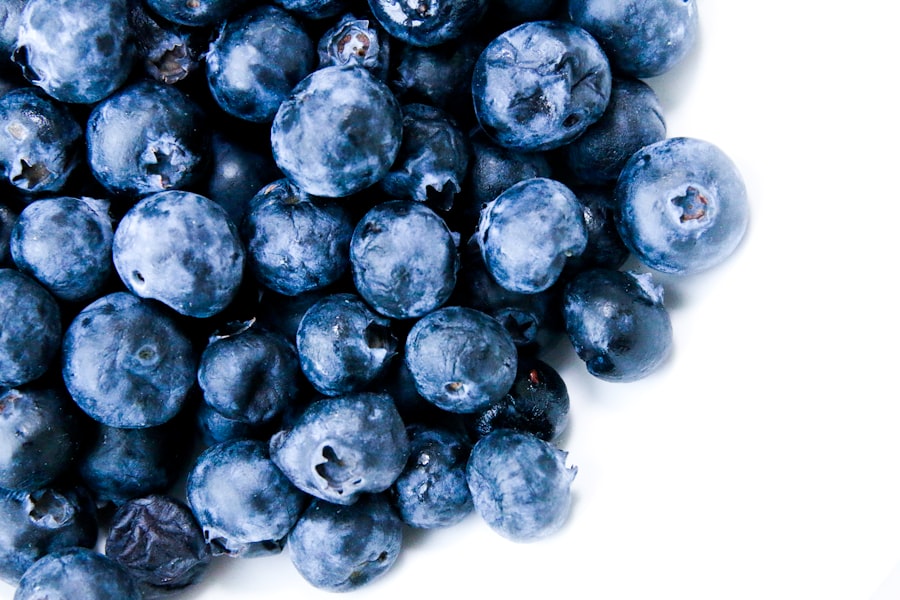
Some superfoods particularly high in antioxidants include blueberries, dark chocolate, green tea, and artichokes. Blueberries are renowned for their high levels of anthocyanins, which give them their vibrant color and provide powerful antioxidant effects. Dark chocolate, especially varieties with high cocoa content, is rich in flavonoids that support heart health.
Green tea contains catechins that have been linked to improved metabolism and reduced risk of chronic diseases. Artichokes are also packed with antioxidants and fiber, making them an excellent addition to any diet. By regularly consuming these superfoods, individuals can enhance their antioxidant intake and support their overall health.
Omega-3 Fatty Acid Superfoods
Omega-3 fatty acids are essential fats that play a vital role in numerous bodily functions, including brain health, heart health, and inflammation regulation. These fats cannot be produced by the body and must be obtained through diet. The significance of omega-3 fatty acids lies in their ability to support cognitive function, reduce the risk of heart disease, and promote healthy skin among other benefits.
Given the prevalence of omega-6 fatty acids in many modern diets—often found in processed foods—it’s crucial to ensure adequate intake of omega-3s for optimal health. Superfoods rich in omega-3 fatty acids include fatty fish such as salmon, mackerel, sardines, and plant-based sources like flaxseeds, chia seeds, and walnuts. Fatty fish are particularly beneficial due to their high levels of EPA and DHA—two types of omega-3s that have been extensively studied for their health benefits.
Flaxseeds and chia seeds provide ALA (alpha-linolenic acid), another form of omega-3 that can be converted into EPA and DHA by the body. Incorporating these superfoods into your diet can help ensure you receive sufficient omega-3 fatty acids to support your overall health.
Superfoods for Immune Support

Nutrition plays a pivotal role in supporting immune function; what we eat can significantly influence our body’s ability to fend off infections and diseases. A well-balanced diet rich in vitamins, minerals, and antioxidants is essential for maintaining a robust immune system. Superfoods can provide concentrated sources of these nutrients, helping to enhance immune response and resilience against illness.
Some superfoods known for their immune-supporting properties include citrus fruits like oranges and grapefruits—rich in vitamin C—as well as garlic, ginger, turmeric, and mushrooms such as shiitake and reishi. Vitamin C is crucial for the production of white blood cells that fight infections, while garlic contains compounds that have been shown to enhance immune function. Ginger and turmeric possess anti-inflammatory properties that can further support immune health.
By incorporating these superfoods into your meals regularly, you can help fortify your immune system against potential threats.
Superfoods for Energy and Vitality
In our fast-paced world, maintaining energy levels is essential for productivity and overall well-being. Certain superfoods can provide natural energy boosts without the crash associated with sugary snacks or caffeinated beverages. These foods often contain complex carbohydrates, healthy fats, proteins, vitamins, and minerals that work together to sustain energy levels throughout the day.
Examples of energizing superfoods include quinoa, sweet potatoes, bananas, nuts, seeds, and dark leafy greens like spinach. Quinoa is a complete protein source that provides sustained energy due to its complex carbohydrates. Sweet potatoes are rich in fiber and vitamins A and C while offering a low glycemic index for steady energy release.
Bananas are an excellent source of potassium and carbohydrates that provide quick energy for workouts or busy days. Nuts and seeds offer healthy fats along with protein to keep you feeling full and energized longer. By incorporating these superfoods into your diet, you can enhance your vitality and maintain consistent energy levels throughout the day.
Incorporating Superfoods into Your Diet
Adding superfoods to your meals doesn’t have to be complicated or overwhelming; there are practical ways to seamlessly integrate them into your daily routine. One effective strategy is to start small by incorporating one or two superfoods at a time into your existing meals. For instance, you might add spinach or kale to smoothies or salads or sprinkle chia seeds on yogurt or oatmeal for added nutrition.
Variety is key when it comes to a superfood-rich diet; different superfoods offer unique benefits and nutrients that contribute to overall health. Aim to include a colorful array of fruits and vegetables on your plate while experimenting with different grains, legumes, nuts, seeds, and healthy fats. This not only keeps meals interesting but also ensures you receive a broad spectrum of nutrients necessary for optimal health.
In conclusion, superfoods represent an exciting opportunity to enhance our diets with nutrient-dense options that support overall health and well-being. By understanding the importance of these foods and incorporating them into our daily meals thoughtfully, we can cultivate healthier eating habits that promote vitality for years to come.
If you’re interested in learning more about the benefits of incorporating superfoods into your diet, you may want to check out this article on
