
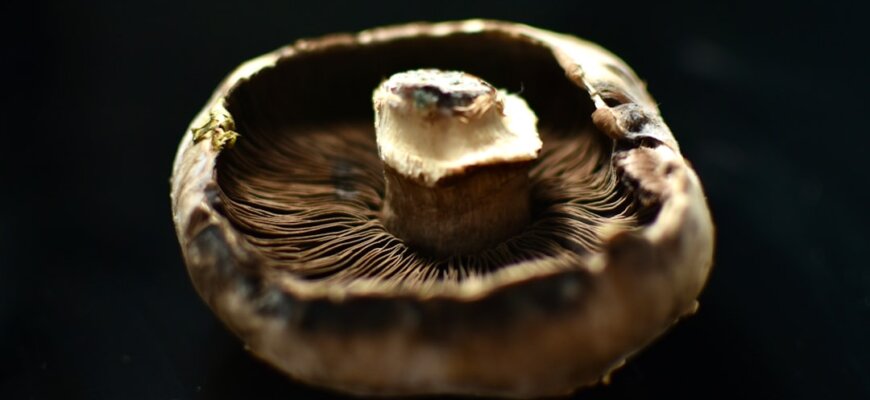
Fungi are a fascinating kingdom of life that often goes unnoticed in our daily lives. While many people may think of mushrooms as mere culinary ingredients or the occasional nuisance in their gardens, the truth is that fungi play a crucial role in our ecosystems and have a profound impact on human health and culture. As I delve into the world of fungi, I find myself captivated by their complexity and diversity.
From the towering mushrooms that sprout in the forest to the microscopic molds that thrive in our homes, fungi are everywhere, and they are more than just a backdrop to our lives. The kingdom of fungi encompasses a vast array of organisms, including yeasts, molds, and mushrooms. Unlike plants, fungi do not photosynthesize; instead, they obtain their nutrients through decomposition and symbiotic relationships with other organisms.
This unique mode of life allows them to break down organic matter, recycling nutrients back into the ecosystem. As I explore the various types of fungi, I am continually amazed by their adaptability and resilience. They can thrive in extreme environments, from the depths of the ocean to arid deserts, showcasing their remarkable ability to survive and flourish in diverse conditions.
- Key Takeaways
- Nutritional Benefits of Mushrooms
- Culinary Versatility of Mushrooms
- Environmental Impact of Fungi
- Medicinal Properties of Mushrooms
- Cultivation and Sustainability of Mushrooms
- Sustainable Food Source
- Environmental Stewardship
- A Rewarding Hobby
- Mycophobia and Misconceptions about Fungi
- Incorporating Mushrooms into Your Diet
Key Takeaways
- Fungi are a diverse group of organisms that play a crucial role in the environment and have a wide range of uses in various industries.
- Mushrooms are a nutritious food source, rich in vitamins, minerals, and antioxidants, and can be a valuable addition to a healthy diet.
- Mushrooms are incredibly versatile in the kitchen, adding unique flavors and textures to a wide variety of dishes.
- Fungi have a significant impact on the environment, from decomposing organic matter to forming symbiotic relationships with plants.
- Certain mushrooms have medicinal properties and have been used in traditional medicine for centuries, showing potential in treating various health conditions.
Nutritional Benefits of Mushrooms
Mushrooms are not only delicious but also packed with essential nutrients that can significantly enhance our diets. As I incorporate more mushrooms into my meals, I appreciate their low-calorie content and high nutritional value. They are an excellent source of vitamins and minerals, including B vitamins, selenium, potassium, and copper.
These nutrients play vital roles in maintaining our overall health, supporting everything from energy production to immune function. I often find myself reaching for mushrooms as a healthy alternative to meat, as they provide a satisfying umami flavor while being lower in calories and fat. Moreover, mushrooms are rich in antioxidants, which help combat oxidative stress in our bodies.
This is particularly important in today’s fast-paced world, where exposure to environmental toxins and stressors can take a toll on our health. As I learn more about the nutritional benefits of mushrooms, I am increasingly drawn to varieties like shiitake and maitake, which have been shown to support heart health and boost the immune system.
Culinary Versatility of Mushrooms
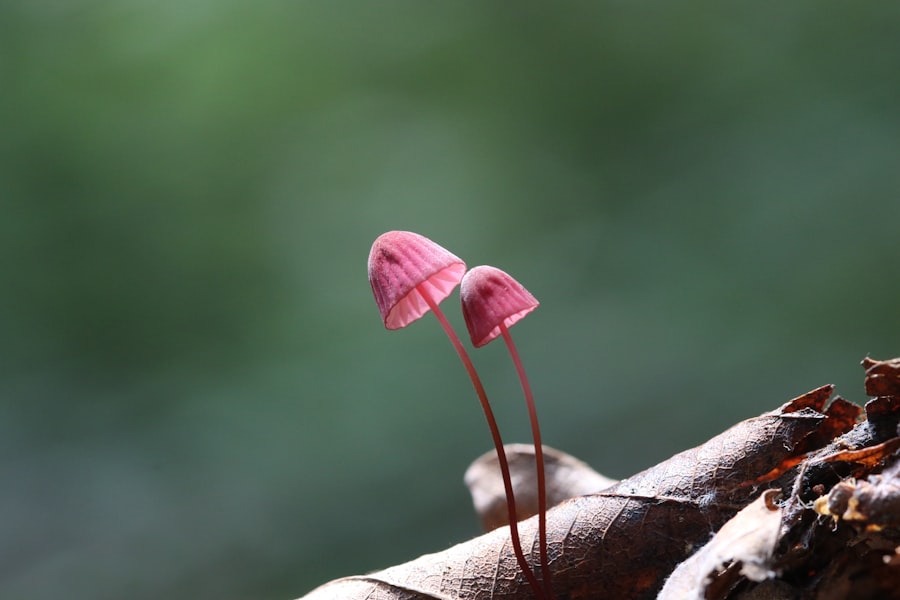
One of the most exciting aspects of mushrooms is their incredible culinary versatility. As I experiment with different types of mushrooms in my cooking, I discover that they can enhance a wide range of dishes, from soups and salads to stir-fries and pasta. Each variety brings its unique flavor profile and texture, allowing me to create diverse meals that cater to my taste preferences.
For instance, the earthy richness of portobello mushrooms makes them an excellent substitute for meat in burgers, while the delicate flavor of enoki mushrooms adds a delightful crunch to salads. In addition to their flavor and texture, mushrooms also have the remarkable ability to absorb and enhance other flavors in a dish. When sautéed with garlic and herbs, for example, they become a savory delight that elevates any meal.
I often find myself using mushrooms as a base for sauces or as a topping for pizzas, where their umami richness complements other ingredients beautifully. The culinary possibilities are virtually endless, and I relish the opportunity to explore new recipes that showcase the versatility of these remarkable fungi.
Environmental Impact of Fungi
Fungi play an essential role in maintaining ecological balance and promoting sustainability within our environment. As I delve deeper into the environmental impact of fungi, I am struck by their ability to decompose organic matter and recycle nutrients back into the soil. This process is vital for soil health and fertility, as it ensures that essential nutrients are available for plants to thrive.
Without fungi, ecosystems would struggle to function effectively, leading to imbalances that could have far-reaching consequences. Moreover, certain fungi form symbiotic relationships with plants through mycorrhizal networks. These networks facilitate nutrient exchange between plants and fungi, allowing both parties to benefit from one another.
As I learn about these intricate relationships, I gain a greater appreciation for the interconnectedness of life on Earth. Fungi not only support plant growth but also contribute to carbon sequestration by storing carbon in the soil. This is particularly important in combating climate change, as healthy soils can help mitigate greenhouse gas emissions.
Medicinal Properties of Mushrooms
The medicinal properties of mushrooms have been recognized for centuries across various cultures. As I explore this fascinating aspect of fungi, I am amazed by the wealth of research supporting their health benefits. Certain mushroom species, such as reishi and lion’s mane, have been shown to possess anti-inflammatory and immune-boosting properties.
These findings resonate with me as I seek natural ways to support my health and well-being. In addition to their immune-enhancing effects, some mushrooms have been studied for their potential neuroprotective properties. Lion’s mane mushroom, for instance, has garnered attention for its ability to promote nerve growth factor (NGF) production, which is crucial for maintaining healthy brain function.
As I incorporate these medicinal mushrooms into my routine—whether through supplements or culinary applications—I feel empowered by the knowledge that I am supporting my body with nature’s remedies.
Cultivation and Sustainability of Mushrooms
Sustainable Food Source
Many mushroom species can be cultivated using agricultural waste products such as straw or sawdust, turning what would otherwise be discarded into valuable food sources. This not only reduces waste but also promotes a circular economy that benefits both growers and consumers.
Environmental Stewardship
Sustainable mushroom cultivation practices also align with my values regarding environmental stewardship. By choosing locally grown or sustainably sourced mushrooms, I can support farmers who prioritize eco-friendly methods while enjoying fresh produce.
A Rewarding Hobby
Growing mushrooms at home has become a rewarding hobby for me; it allows me to connect with nature while providing me with a continuous supply of fresh ingredients for my meals.
Mycophobia and Misconceptions about Fungi
Despite their numerous benefits, fungi often face an uphill battle against mycophobia—the fear or aversion to mushrooms and fungi in general. This fear is often rooted in misconceptions about toxicity and danger associated with wild mushrooms. As someone who has developed an appreciation for fungi, I find it disheartening that many people miss out on the joys of mushrooms due to unfounded fears.
Education is key in dispelling these myths; understanding which mushrooms are safe to eat can empower individuals to explore this diverse food group confidently. Moreover, mycophobia can extend beyond culinary concerns; it can also lead to a lack of appreciation for the ecological roles that fungi play in our environment. Many people view fungi solely as pests or nuisances without recognizing their vital contributions to soil health and nutrient cycling.
By sharing knowledge about the importance of fungi in ecosystems and their potential benefits for human health, I hope to inspire others to embrace these remarkable organisms rather than fear them.
Incorporating Mushrooms into Your Diet
Incorporating mushrooms into my diet has been a delightful journey filled with exploration and creativity. Whether I’m adding sautéed mushrooms to my morning omelet or tossing them into a hearty vegetable stew, I’ve discovered countless ways to enjoy their unique flavors and textures.
I also enjoy experimenting with different mushroom varieties to keep my meals exciting. For instance, I’ve recently started using dried porcini mushrooms in risottos and sauces; their concentrated flavor adds an earthy richness that elevates even the simplest recipes. Additionally, I’ve found that incorporating mushrooms into smoothies or soups can be an excellent way to boost nutrition without compromising taste.
By embracing the versatility of mushrooms in my cooking, I’ve not only enhanced my meals but also enriched my overall diet with their numerous health benefits. In conclusion, my journey into the world of fungi has opened my eyes to their incredible nutritional benefits, culinary versatility, environmental significance, and medicinal properties. By overcoming misconceptions about these remarkable organisms and incorporating them into my diet sustainably, I feel empowered to make healthier choices while supporting our planet’s ecosystems.
As I continue to explore the diverse realm of fungi, I look forward to discovering even more ways to celebrate these extraordinary life forms in my everyday life.
If you’re interested in incorporating more mushrooms into your diet after learning about their health benefits in the article “Fungi facts: Why mushrooms deserve a spot on your plate,” you may want to check out the article “Tips for Making Family Meals Enjoyable”. This article provides helpful tips for making mealtime more enjoyable for the whole family, including creative ways to incorporate nutritious ingredients like mushrooms into your dishes.
