
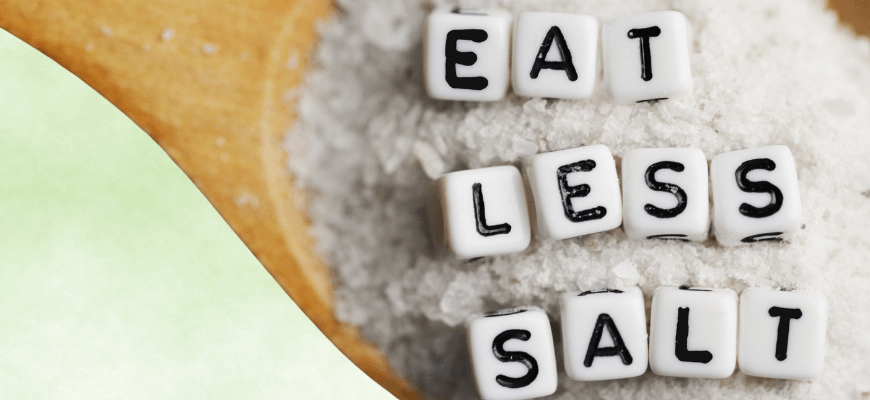
Understanding Sodium and Its Impact
Millions of Americans consume too much sodium. Although this mineral plays an important role in muscle contraction, relaxation, maintaining proper water and pH levels, and conducting nerve impulses, excessive sodium intake can lead to serious health issues. The Dietary Guidelines for Americans 2010 recommends no more than 2,300 mg (about 1 teaspoon) per day per person, and only 1,500 mg (about 2/3 teaspoon) for those over 51, African Americans, and individuals with conditions such as diabetes, hypertension, or chronic kidney disease.
Sadly, many Americans exceed these amounts—averaging over 3,300 mg (approximately 1.5 teaspoons) per day. The hidden sodium in processed foods, rather than the salt added at the table, is often the main culprit. Excess sodium can contribute to hypertension, heart disease, and stroke. As noted by Davy (2015), “Hypertension is a leading cause of death and disability worldwide.” Reducing average sodium intake to below 2,300 mg/day could save significant healthcare costs and reduce millions of cases of hypertension.
Why Reduce Salt?
Even though we are hard-wired to enjoy salty foods, our taste for salt is a learned preference that can be modified over time. Cutting back on salt allows you to appreciate the natural, subtle flavors of food. Many people report that food tastes better when less salt is used—or even eliminated entirely. With a bit of creativity, you can reduce your sodium intake without sacrificing flavor.
6 Creative Ways to Cut Your Salt
- Get Fresh! Limit processed foods, which are major sources of hidden sodium. Opt for minimally processed foods and fresh produce.
- Downsize Your Portions! Share your entrée, ask for a low-sodium menu, or request “no additional salt” when dining out.
- Identify High-Volume Salt Sources! Be aware of sodium in items like bread, soups, condiments, frozen pizzas, salad dressings, tomato sauces, processed deli meats, and canned goods. Choose foods with less than 300 mg of sodium per serving.
- Concentrate Flavors! Use cooking methods like baking, roasting, grilling, and searing to intensify natural flavors. These techniques reduce the need for added salt.
- Add Some Spice! Enhance flavor with spice rubs, fresh herbs, spices, ginger, and citrus. These ingredients provide robust flavors without additional sodium.
- ‘Shake’ the Auto-Salt Habit! Taste your food before adding salt. Remove the salt shaker from the table to break the habit of automatically sprinkling salt. When cooking or baking, remember that most recipes can be made with half the amount of salt.
References
- Davy, Brenda M., Tanya M. Halliday, and Kevin P. Davy. “Sodium Intake and Blood Pressure: New Controversies, New Labels…New Guidelines?” Journal of the Academy of Nutrition and Dietetics 115.2 (2015): 200-203. Print.
- “Salt and Sodium: The Facts.” The Nutrition Source. Harvard School of Public Health, n.d. Web. 10 Feb. 2015.
- “Tasting Success by Cutting Salt.” Mise En Place. Feb. 2012: 12-14. Print.
- United States. Dept. of Agriculture. Dietary Guidelines for Americans 2010. By the Center for Nutrition Policy and Promotion, 2010. Web. 10 Feb. 2015.
