
Introduction
May is National Salad Month—a perfect time to celebrate spring, fresh produce, and the endless creativity of salads. Launched in May 1992 by the Association of Dressings & Sauces, National Salad Month honors the fact that 3 out of 4 people eat salad regularly and enjoy dressing on their salads.
The Versatility of Salads
Salads are more than just a side dish; they are a canvas for creativity. Experiment with a variety of ingredients including proteins, grains, fruits, and nuts to create a dish that is as visually appealing as it is nutritious. Mix colors, textures, and flavors to suit your taste and nutritional needs.
Boosting Your Salad’s Appeal
Start with a Variety of Greens
Instead of traditional iceberg lettuce, try romaine, spinach, kale, or shredded cabbage. These greens offer better flavor, texture, and nutrients. If you’re new to these darker greens, begin by mixing them with iceberg lettuce.
Add Crunch and Color
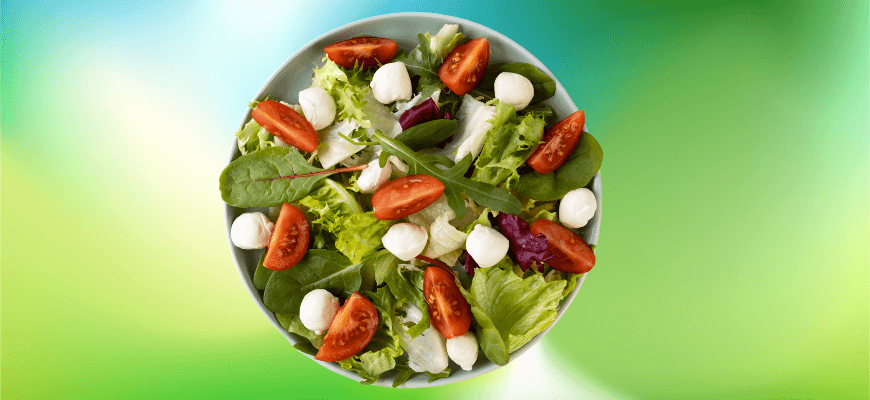
Enhance your salad with shredded carrots, cucumbers, tomatoes, onions, and other vegetables. Consider adding fruit like apple or pear slices to boost vitamins, minerals, and antioxidants.
Incorporate Protein and Grains
Turn your salad into a main course by adding lean proteins such as beans, low-fat dairy, tuna, or grilled chicken. Whole wheat pasta, quinoa, barley, or spelt can add extra flavor, fiber, and nutrients. Don’t forget to include heart-healthy fats like avocado, nuts, and seeds.
Choose the Right Dressing
Opt for vinaigrettes made with heart-healthy oils such as canola, extra virgin olive, or sunflower oil to complement your salad without adding unnecessary fats.
Health Benefits of Eating Salads
Eating a salad a day can have a significant health impact. A study by the UCLA School of Public Health found that daily salad consumption boosts levels of vitamins C, E, and folic acid—key nutrients for supporting the immune system. Additionally, the 2010 Dietary Guidelines for Americans recommend eating a variety of fruits and vegetables, making salads an excellent way to meet daily nutritional needs.
References
- Skibicki, Janet. “Celebrate National Salad Month!” Fruits & Veggies: More Matters. Produce for Better Health Foundation, n.d. Web. 18 Feb. 2015.
- “Why Salads Are Good For You.” The Association for Dressings & Sauces. The Association for Dressings & Sauces, n.d. Web. 16 Feb. 2015.
